
15 Low-Carb Pasta Alternatives That Hit the Spot
Missing pasta is probably the number one complaint I hear from people trying to cut carbs. And honestly? I get it. There’s something deeply comforting about twirling spaghetti on your fork or digging into a bowl of creamy fettuccine that just hits different than, say, a piece of grilled chicken.
But here’s what I’ve learned after years of experimenting in my kitchen: you don’t actually miss pasta as much as you miss the sauces, the textures, and the whole ritual of eating a big, satisfying bowl of something delicious. The pasta itself? It’s mostly just a vehicle. Once you wrap your head around that, the world of low-carb pasta alternatives opens up in ways that might actually surprise you.
I’ve tried every pasta substitute under the sun—some were absolute disasters (looking at you, mushy konjac noodles from 2015), while others have become staples I actually prefer over regular pasta now. Yeah, I said it. Some of these are legitimately better. So let’s talk about 15 options that actually work, taste good, and won’t leave you feeling like you’re eating cardboard for the sake of your macros.

The Spiralized Vegetable Superstars
Let’s start with the most obvious category: vegetables you can turn into noodle-like strands. These are probably what most people think of first when they hear “pasta alternative,” and for good reason.
Zucchini Noodles (Zoodles)
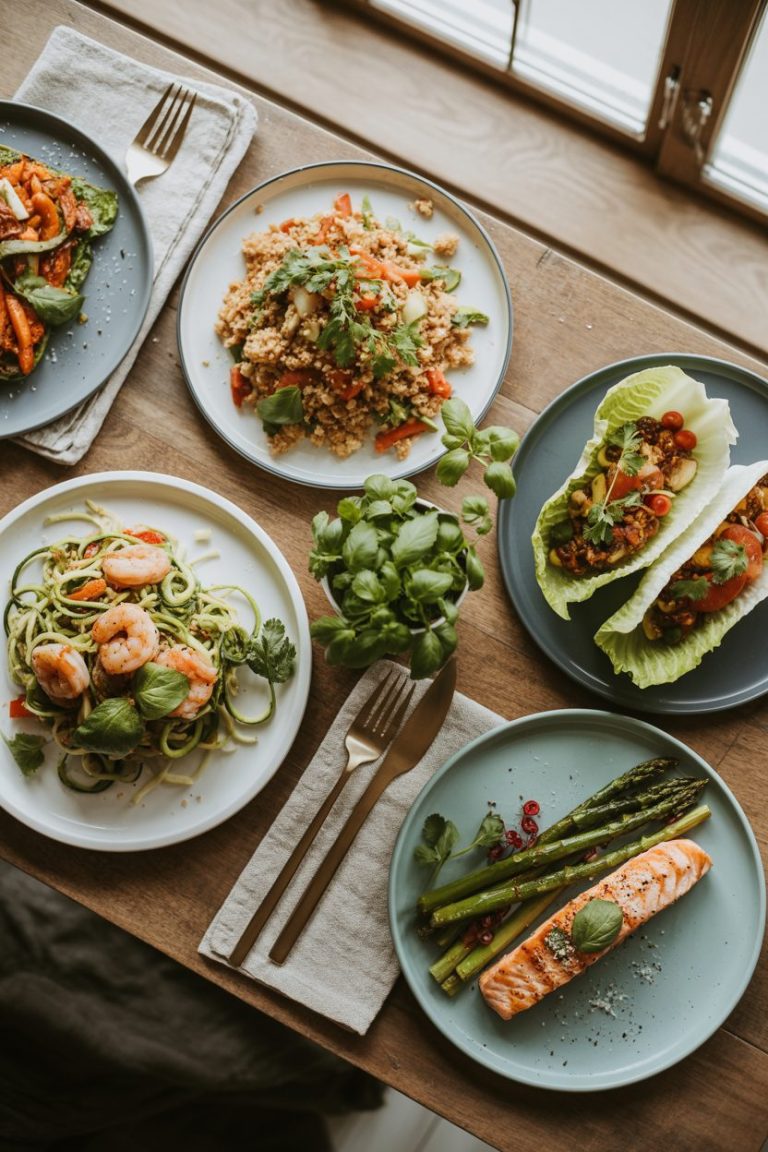
Zucchini noodles are the gateway drug of pasta alternatives. They’re mild, they hold sauce well, and they’re available literally everywhere. I was skeptical at first because, let’s be real, how good could vegetable noodles actually be?
Turns out, pretty damn good if you prepare them right. The key is not overcooking them. You want them barely tender with a little bite left. Overcooked zoodles turn into a watery mess that’ll make you question all your life choices. I usually just sauté them for 2-3 minutes max, or sometimes I eat them raw if I’m tossing them with a hot sauce.
Here’s my pro tip: salt your zoodles and let them sit in a colander for 10 minutes before cooking. This draws out excess moisture so they don’t water down your sauce. Pat them dry, then cook them quickly in a hot pan. This spiralizer makes the whole process stupid easy—it’s one of those tools that actually earns its spot in your kitchen drawer.
Cucumber Noodles
Now, cucumber noodles might sound weird, but hear me out. They’re fantastic for cold pasta salads, especially Asian-inspired dishes. You wouldn’t use them with a hot marinara sauce (gross), but toss them with sesame oil, soy sauce, and grilled chicken? Absolutely killer.
They’re super refreshing, incredibly low in carbs, and they add this crisp texture that regular pasta could never achieve. Plus, they require zero cooking, which is perfect for those nights when turning on the stove feels like too much effort.
If you’re craving more creative ways to use spiralized vegetables, these [low-carb veggie noodle bowls] and [Asian-inspired zucchini noodle stir-fries] take the concept even further with bold flavors.
Carrot Noodles
Carrot noodles are slightly higher in carbs than zucchini, but they’re still way lower than regular pasta and they bring this natural sweetness that works beautifully in certain dishes. I love them in pad thai-style preparations or with peanut sauce.
They’re also sturdier than zoodles, so they hold up better if you’re meal prepping. Just know that they take a minute longer to cook since they’re denser. You want them tender but still with some crunch.
Sweet Potato Noodles
Okay, these are definitely higher in carbs than the other spiralized options, so they’re not going to work if you’re doing strict keto. But if you’re just watching your carb intake and want something with more substance, sweet potato noodles are fantastic.
They’ve got this slightly sweet, earthy flavor that pairs incredibly well with Asian sauces. I use them when I’m making japchae-inspired dishes or when I just need something more filling than zucchini.
The Squash Family Winners
Squash varieties offer some of the best pasta alternatives out there. They’ve got the right texture, they’re filling, and they actually taste good enough that you won’t feel like you’re suffering through dinner.
Spaghetti Squash
This is the OG of low-carb pasta alternatives. Spaghetti squash literally shreds into strands that look like angel hair pasta, which feels like some kind of vegetable magic. The flavor is mild and slightly sweet, and it works with basically any sauce you’d normally put on pasta.
Here’s how I cook it: Cut it in half lengthwise, scoop out the seeds, drizzle with olive oil, season with salt and pepper, and roast it cut-side down at 400°F for about 40 minutes. When it’s done, you just scrape a fork along the flesh and it naturally separates into strands.
The texture isn’t identical to pasta—it’s a bit more delicate and has a slight crunch—but it’s honestly delicious in its own right. I’ve served this to carb-loving friends who legitimately enjoyed it. Top it with marinara and meatballs or toss it with pesto and grilled chicken. [Get Full Recipe]
Butternut Squash Noodles
You can spiralize butternut squash just like zucchini, but you get this gorgeous golden color and a sweeter, nuttier flavor. They’re perfect for fall-inspired dishes with sage butter or creamy sauces.
Fair warning: butternut squash is harder to spiralize than zucchini because it’s denser. You need a sturdy spiralizer or decent arm strength. But the result is worth the effort. These noodles have more body than zoodles and they feel more substantial.
For more comfort food alternatives that won’t spike your blood sugar, check out these [butternut squash pasta recipes] and [low-carb autumn dinner ideas] that embrace seasonal flavors.
The Asian Noodle Alternatives
Asian cuisines have been doing low-carb noodles way longer than the rest of us, and they’ve got some seriously good options that are worth exploring.
Shirataki Noodles
Shirataki noodles are made from the konjac yam and they’re basically zero calories and zero carbs. Sounds too good to be true, right? Well, there’s a catch: they smell funky straight out of the package, and the texture takes some getting used to.
But here’s the thing—once you learn how to prepare them properly, they’re actually really good. Rinse them thoroughly under cold water for a full minute to get rid of that weird smell. Then dry-fry them in a pan (no oil) for a few minutes to improve the texture. After that, they’ll absorb whatever sauce you add and taste pretty great.
I use these in stir-fries, ramen-style soups, and with peanut sauce. They work best with bold, flavorful sauces since they don’t have much flavor on their own. This brand is the best I’ve found—they have a better texture than the cheaper versions.
Kelp Noodles
Kelp noodles are crunchy, translucent noodles made from seaweed. They’re super low in calories and carbs, plus they’ve got some iodine and other minerals from the kelp. The texture is unique—they’re crunchy even after you prepare them, so they work best in cold salads or raw preparations.
I’ll be straight with you: these are an acquired taste. They don’t taste like regular pasta at all. But if you embrace them for what they are rather than trying to make them into something they’re not, they can be really good in Asian-style cold noodle salads.
Cabbage Noodles
Just hear me out on this one. If you slice cabbage into thin strips, it can work as a noodle substitute in certain dishes—particularly Asian soups and stir-fries. It’s got a slight crunch, it holds up well to high heat, and it’s ridiculously cheap.
I use cabbage “noodles” in egg roll bowls all the time. You sauté the cabbage strips with ground pork or chicken, add some ginger and garlic, finish with soy sauce and sesame oil, and boom—you’ve got a deconstructed egg roll situation that hits all the right notes.
The Plant-Based Protein Options
These alternatives bring more protein to the table than vegetable-based options, which can help keep you fuller longer. According to research on protein and satiety, higher-protein meals help regulate appetite better than carb-heavy options.
Edamame Pasta
This is actual pasta made from edamame beans, so it looks and acts like regular pasta but with way more protein and fewer carbs. A serving has around 20+ grams of protein and only about 20 grams of net carbs, which is significantly lower than wheat pasta.
The texture is pretty close to whole wheat pasta—maybe slightly grainier—but the taste is mild and it pairs well with most sauces. IMO, this is one of the best options if you really miss the experience of eating actual pasta. It’s not super low-carb like zoodles, but it’s a solid middle ground.
Black Bean Pasta
Similar to edamame pasta, black bean pasta is made from—you guessed it—black beans. It’s higher in protein and fiber than regular pasta, with fewer net carbs. The color is definitely different (it’s dark purple-black), which can look a bit odd with certain sauces.
I think it works best with Mexican-inspired flavors or with red sauces where the color doesn’t stand out as much. The texture is good—firm and substantial—and it actually keeps you full, which is something you can’t always say about vegetable noodles.
If you’re exploring more bean-based alternatives and plant-forward meals, these [high-protein pasta alternatives] and [plant-based dinner bowls] offer similar nutritional profiles with creative flavor combinations.
Hearts of Palm Pasta (Palmini)
This is probably my favorite “real pasta” alternative. Hearts of palm are cut into linguine or lasagna noodle shapes, and while they don’t taste exactly like wheat pasta, they’re neutral enough to work with any sauce. The texture is slightly firm and a bit al dente, which I actually love.
They come pre-cooked in a can or package, so you just rinse them, heat them up, and add your sauce. Super convenient. They’re also low in calories and carbs while still feeling substantial. I’ve used these in everything from spaghetti and meatballs to Asian stir-fries. [Get Full Recipe]
The Grain-Free Innovations
These options use creative ingredients to mimic pasta in ways that actually work surprisingly well.
Cauliflower Gnocchi
Okay, so this isn’t exactly a pasta alternative in the traditional sense, but it fills the same comfort food niche. Cauliflower gnocchi has become weirdly popular in the last few years, and for good reason—it’s actually good.
The texture is pillowy and soft like regular gnocchi, but with way fewer carbs. You can pan-fry them until crispy, toss them with pesto, or add them to soup. Just don’t boil them like regular gnocchi or they’ll fall apart. Pan-frying is the way to go, and I use a little of this avocado oil spray to get them crispy without adding tons of fat.
Konjac Rice (Miracle Rice)
This is technically rice, not pasta, but it works as a pasta substitute in dishes like fried rice or risotto-style preparations. It’s made from the same konjac plant as shirataki noodles, so it’s basically zero carb.
Same deal as shirataki—rinse it well, dry-fry it to improve the texture, then add it to your dish. It absorbs flavors really well and the texture is pretty close to rice once you prepare it right.
Egg Noodles (Keto-Style)
You can make low-carb egg noodles using just eggs, cream cheese, and a bit of psyllium husk or almond flour. The result is basically a crepe-like sheet that you can cut into noodles. It takes some effort, but the result is probably the closest thing to actual pasta you’ll get while staying keto.
I make these when I’m really craving something that feels like traditional egg noodles in chicken soup or with stroganoff sauce. The texture is tender and they actually taste eggy in a good way.
The Convenience Store Finds
Not everything has to be made from scratch. These are the store-bought options that actually deliver when you need something quick.
Pre-Spiralized Vegetables
Most grocery stores now sell pre-spiralized zucchini, sweet potato, and other vegetables in the produce section. Yes, they’re more expensive than doing it yourself, but some nights you just can’t be bothered.
I keep a package or two in my fridge for emergency dinners. They last about 3-4 days and they’re ready to cook straight from the package. The time savings alone make them worth the extra couple bucks when life gets hectic.
Store-Bought Shirataki Varieties
There are now shirataki noodles that come in different shapes—fettuccine, angel hair, even rice shapes. Some brands also make shirataki-tofu blends that have a better texture than pure shirataki.
The tofu-blend versions are my go-to when I want something with more substance. They’re still super low-carb but they have a bit more body and a less slippery texture than traditional shirataki.
Frozen Cauliflower Rice
While we’re on the topic of convenience, frozen cauliflower rice deserves a mention. It’s not pasta, but it serves a similar purpose as a low-carb base for sauces and proteins. I always have a few bags in my freezer because it goes from frozen to table-ready in about 5 minutes.
You can stir-fry it, use it in fried rice, or even pulse it in a food processor until it’s finer and use it like couscous. This microwave steamer bag makes it even easier—you literally just throw it in the microwave for 4 minutes and you’re done.
How to Make Any Pasta Alternative Actually Good
Here’s the truth: most people mess up pasta alternatives not because the alternatives are bad, but because they’re not preparing them right. Let me save you from some common mistakes.
Don’t overload with sauce. Vegetable noodles release water as they cook, which can make your sauce watery. Use less sauce than you think you need, or make your sauce slightly thicker to compensate.
Season aggressively. Vegetable noodles don’t have the same flavor as wheat pasta, so you need to season them well. Don’t be shy with salt, garlic, herbs, and other seasonings. Taste as you go and adjust.
Manage moisture. This is the big one. Salt your zoodles and let them drain. Dry-fry your shirataki noodles. Roast your spaghetti squash cut-side down. These steps prevent that sad, watery pasta situation that turns people off alternatives forever.
Pick the right alternative for your sauce. Some pasta alternatives work better with certain sauces. Zoodles are great with pesto or oil-based sauces but can get watery with marinara. Spaghetti squash handles tomato sauce well. Shirataki noodles shine in Asian-style dishes with soy-based sauces.
Serve immediately. Most of these alternatives don’t hold well after cooking. They continue releasing moisture as they sit, so eat them right away for the best texture.
For complete meal ideas that showcase these alternatives at their best, try these [low-carb pasta bake recipes] and [keto-friendly Italian dinners] that prove you don’t need wheat to make amazing comfort food.
When to Use What: A Quick Guide
Not sure which alternative to reach for? Here’s my personal cheat sheet based on what I’m making:
For Italian red sauce dishes: Spaghetti squash, palmini, or zucchini noodles work best. The mild flavors let the sauce shine.
For creamy Alfredo or carbonara: Shirataki fettuccine, palmini, or even cauliflower gnocchi. These have enough substance to stand up to heavy cream sauces.
For Asian stir-fries and soups: Shirataki noodles, kelp noodles, or cabbage strips. They match the flavor profiles better than Italian-leaning alternatives.
For cold pasta salads: Cucumber noodles, kelp noodles, or even spiralized carrots. These stay crisp and refreshing.
For meal prep: Edamame or black bean pasta hold up best over several days. Vegetable noodles tend to get soggy, so make those fresh.
For feeding non-low-carb people: Spaghetti squash or the bean-based pastas. These are the most universally appealing and least “diet-y” tasting.
The Nutrition Breakdown
Let’s talk numbers for a second because that’s probably why you’re here. A typical serving of regular pasta (about 2 oz dry) has around 40 grams of carbs. That’s a lot when you’re trying to stay under 50 grams per day.
Comparison breakdown per serving:
- Regular pasta: 40g carbs, 7g protein, 200 calories
- Zucchini noodles: 4g carbs, 1g protein, 20 calories
- Shirataki noodles: <1g carbs, 0g protein, 10 calories
- Edamame pasta: 20g net carbs, 24g protein, 180 calories
- Spaghetti squash: 10g carbs, 1g protein, 42 calories
- Hearts of palm: 4g carbs, 2g protein, 20 calories
The vegetable and shirataki options are clearly the lowest in carbs, but they’re also lower in protein and calories overall. The bean-based pastas offer more protein but also more carbs. It really depends on your specific goals and how strict you’re being with carbs.
Related Recipes You’ll Love
Looking for ways to put these pasta alternatives to use? Here are some recipes that showcase them perfectly:
Italian-Inspired Dishes: [Low-carb chicken parmesan with zoodles] for classic Italian comfort [Keto lasagna with palmini noodles] that tastes just like the real thing
Asian Favorites: [Shirataki pad thai with chicken] for those takeout cravings [Low-carb ramen bowls] using miracle noodles
Comfort Food Classics: [Spaghetti squash carbonara] that’s rich and satisfying [Beef stroganoff over cauliflower gnocchi] for cozy dinner vibes
Making the Switch Stick
Here’s what I wish someone had told me when I first started eating low-carb: the alternatives won’t taste exactly like pasta, and that’s okay. If you go into it expecting them to be identical, you’ll be disappointed.
But if you approach them as their own thing—as vegetables and other ingredients that happen to work really well as vehicles for delicious sauces—you might actually find yourself preferring some of them. I legitimately love spaghetti squash now, not as a pasta substitute, but as spaghetti squash. It’s good in its own right.
Start with the ones that sound most appealing to you. Don’t try to force yourself to like shirataki noodles if the texture weirds you out. There are plenty of other options. Experiment with different cooking methods and sauces until you find combinations that work for you.
And remember, you don’t have to be all-or-nothing about it. Some people do pasta alternatives during the week and have real pasta occasionally on weekends. Some people mix zoodles with regular pasta to lower the carb count. FYI, there’s no rule that says you have to be perfect—do what works for your lifestyle and your goals.
The point is to find satisfying, delicious meals that help you feel good and stick to whatever eating plan you’re following. These 15 alternatives give you plenty of options to do exactly that without feeling like you’re missing out on one of life’s simple pleasures: a big bowl of something noodle-y and delicious.