21-Day Keto Weight Loss Plan (Printable Tracker)
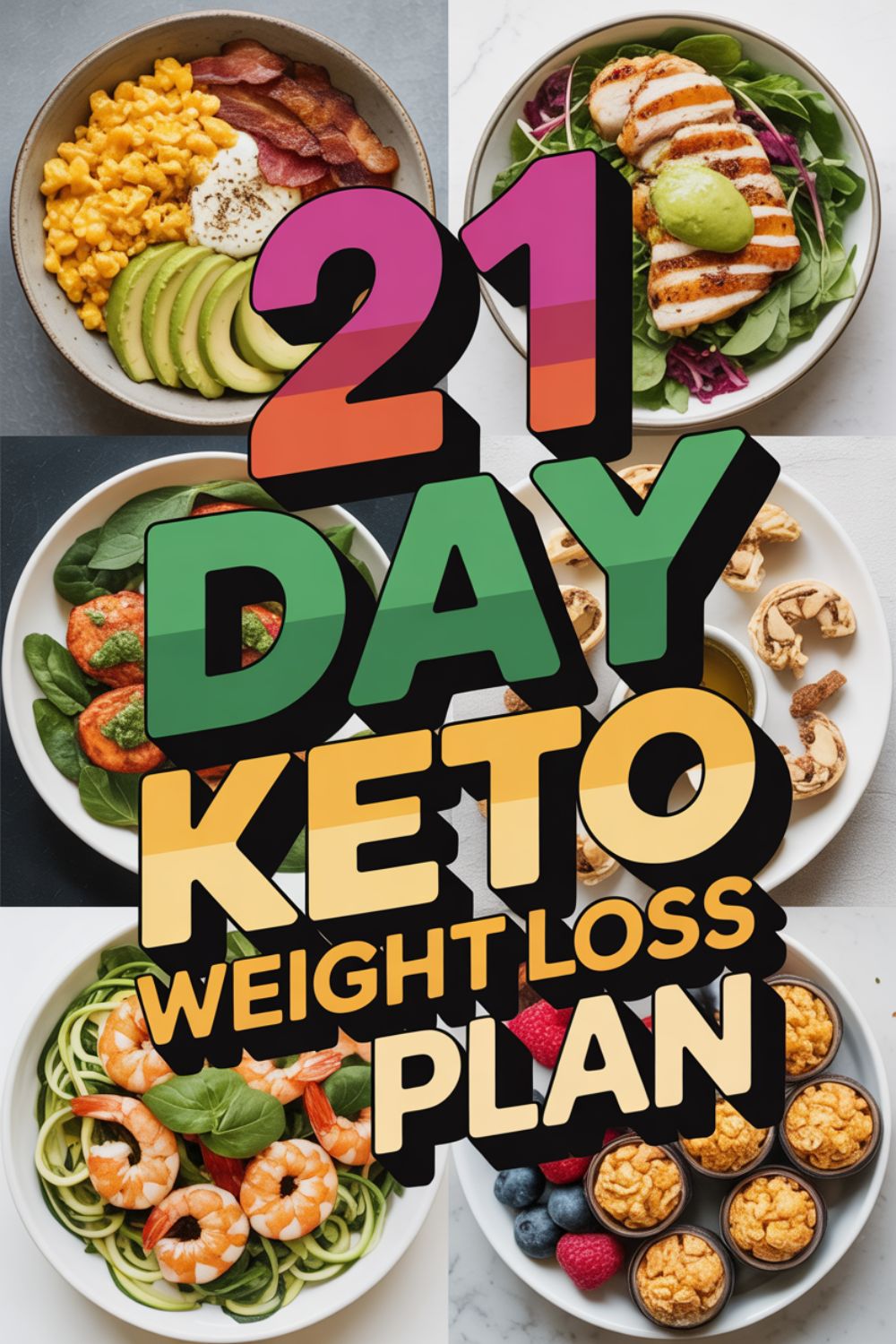
The 21-day keto weight loss plan isn’t some magic bullet, but it’s pretty darn close to a foolproof system if you stick with it. This is your roadmap to dropping pounds, feeling clearer, and actually understanding what the heck you’re putting in your body. No BS, no impossible meal plans that require a personal chef—just real food, real results, and a printable tracker that’ll keep you honest.
What Makes This 21-Day Plan Different
Every diet book promises you’ll lose 20 pounds in a month while eating bacon. Reality check: that’s not how this works. What you will get from this plan is a structured approach that teaches your body to burn fat instead of carbs, and yeah, you’ll probably drop some weight in the process.
The keto diet shifts your metabolism into a state called nutritional ketosis, where your body becomes a fat-burning machine instead of constantly craving its next carb fix. According to research published by the National Center for Biotechnology Information, this metabolic shift can lead to decreased appetite and sustained weight loss when done correctly.
Here’s the thing—three weeks is actually the sweet spot. It’s enough time for your body to adapt to using ketones for fuel, but not so long that you burn out before seeing results. Most people hit nutritional ketosis between days 3-7, and by day 21, you’re cruising.
The Science Bit (Without the Lecture)
Your body normally runs on glucose from carbs. Cut those carbs below about 50 grams per day, and your liver starts producing ketones from fat. These ketones become your new fuel source. Studies from ScienceDirect show that participants following a ketogenic approach experienced significant weight reduction while preserving muscle mass—something most restrictive diets can’t claim.
The beauty of keto is that it naturally suppresses hunger. No more white-knuckling through the afternoon because ketones actually tell your brain you’re satiated. I’m not saying you’ll never want a donut again, but the cravings get way more manageable.
Setting Up Your 21-Day Tracker
Tracking is where theory meets reality. You can have the perfect meal plan, but if you’re eyeballing portions and “forgetting” about that handful of almonds, you’re sabotaging yourself.
Your tracker should cover the basics: daily carb intake, protein, fat, water consumption, and how you’re feeling. Energy levels matter just as much as the number on the scale. I use this simple food scale because it’s accurate to the gram and doesn’t take up half my counter.
What to Track Daily
- Net carbs (total carbs minus fiber)—stay under 20-25 grams to start
- Protein intake—aim for 0.8-1 gram per pound of lean body mass
- Fat consumption—this fills in the rest of your calories
- Water—minimum half your body weight in ounces
- Ketone levels (optional but helpful)—blood ketones between 0.5-3.0 mmol/L indicate nutritional ketosis
- Energy and mood—notice patterns between what you eat and how you feel
Speaking of meal ideas, you’ll want to check out these 25 keto breakfast ideas that keep you full until lunch. They’re lifesavers when you’re tired of eggs five days in a row.
Week 1: The Adaptation Phase
Week one is rough. Let’s not sugarcoat it. Your body is going through carb withdrawal, and you might feel like you got hit by a truck. This is the infamous “keto flu,” and it’s temporary.
The keto flu happens because you’re depleting glycogen stores, which means you’re also losing water and electrolytes. Symptoms include headaches, fatigue, irritability, and brain fog. Fun times, right? But here’s the good news: it typically only lasts 3-5 days, and you can minimize it.
Surviving Week 1
- Salt everything—you need 3,000-5,000mg of sodium daily on keto
- Supplement electrolytes—magnesium, potassium, and sodium are your best friends
- Drink bone broth—it’s like liquid gold for electrolyte replacement
- Don’t restrict calories yet—focus on getting the carbs low; worry about portions later
- Sleep more—your body is working overtime to adapt
I keep these electrolyte packets in my gym bag and desk drawer. They dissolve in water and taste way better than forcing down salt water like some kind of medieval punishment.
For meal planning during this crucial first week, try these 25 easy keto dinner recipes for every night of the week. They’re designed for people who don’t want to spend three hours cooking.
Week 2: Finding Your Rhythm
By week two, things start clicking. Your energy comes back—often with a vengeance. Some people report feeling more mentally clear than they have in years. This is your body running efficiently on ketones instead of the blood sugar rollercoaster.
This is when you’ll start noticing real changes. Clothes fit differently. You’re not thinking about food every two hours. The scale is probably moving in the right direction, though remember that early weight loss includes a lot of water weight.
Week two is also when you should start dialing in your portions. You’ve adapted to the low-carb lifestyle; now it’s time to make sure you’re in a caloric deficit if weight loss is your goal. Research from The Journal of Clinical Endocrinology & Metabolism found that participants on a ketogenic approach saw an average 7% decrease in body weight after one month, with significant fat mass reduction.
Meal Prep Like a Pro
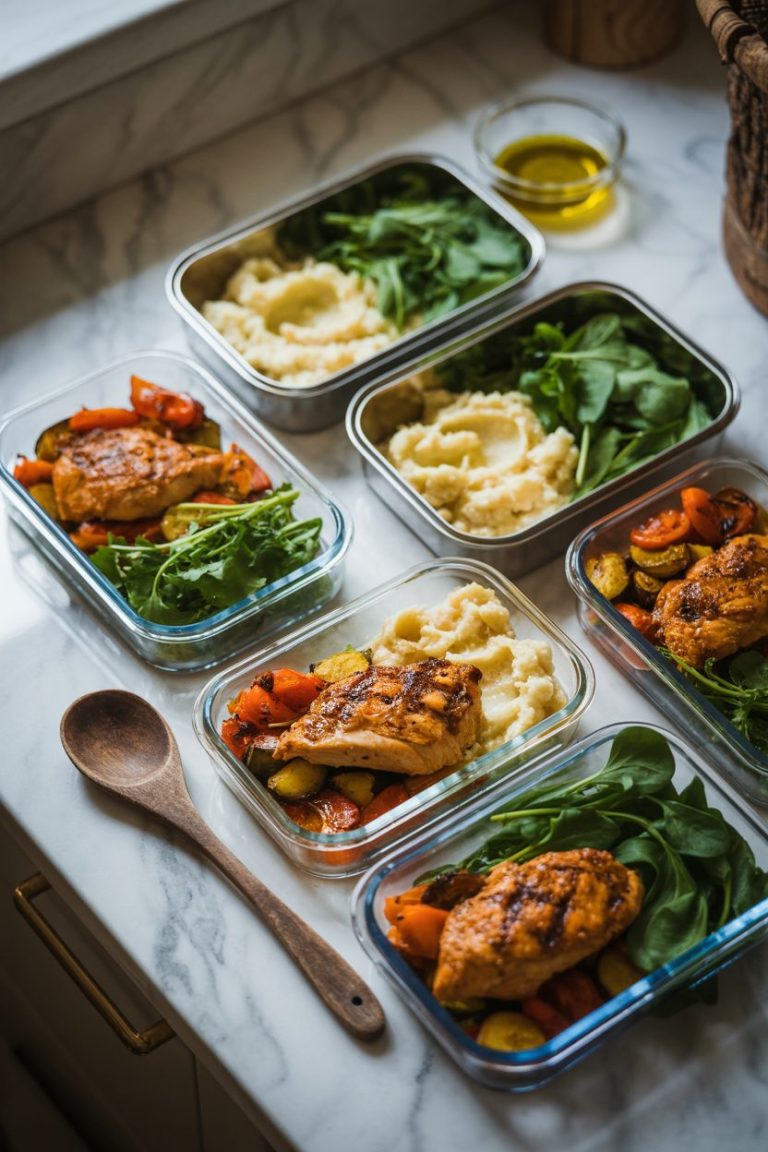
Week two is perfect for establishing meal prep habits. I spend Sunday afternoon cooking proteins and chopping vegetables. It’s not glamorous, but it’s what keeps you from ordering pizza at 9 PM on Tuesday.
Grab these glass meal prep containers—they’re microwave-safe and you can see what’s inside without opening them. Trust me, that matters when you’re digging through the fridge half-asleep.
If you’re looking for ways to simplify your week, these 25 keto meal prep ideas for the week will save you hours of stress and decision fatigue.
Need something to satisfy snack attacks? Check out these 25 keto snacks that crush cravings without guilt. They’re way better than standing in front of an open fridge hoping inspiration strikes.
Week 3: Optimizing and Refining
You’re in the home stretch. Week three is about optimization—tweaking your macros, experimenting with new recipes, and really listening to your body’s signals.
By now, you should be firmly in ketosis. If you’ve been testing your ketone levels with these blood ketone meters, you’re probably seeing numbers between 1.0-3.0 mmol/L. That’s the sweet spot for weight loss and mental clarity.
This is also when some people plateau. Don’t panic. Your body is adjusting, and sometimes weight loss stalls while your measurements keep improving. Take photos and body measurements—the scale doesn’t tell the whole story.
Common Week 3 Challenges
- Boredom with meals—mix it up with different cuisines and cooking methods
- Social pressure—people will suddenly have opinions about your diet
- Overthinking it—simplicity wins; don’t make this harder than it needs to be
- Expecting linear progress—weight loss isn’t a straight line downward
For inspiration when you’re stuck in a recipe rut, try these 21 high-protein keto meals that actually taste amazing. High protein keeps you satisfied and helps preserve muscle while you’re losing fat.
Looking for complete meal variety? Explore these 25 low-carb meal prep recipes for busy weeks. They’re designed for people who value both results and convenience.
Essential Foods to Stock
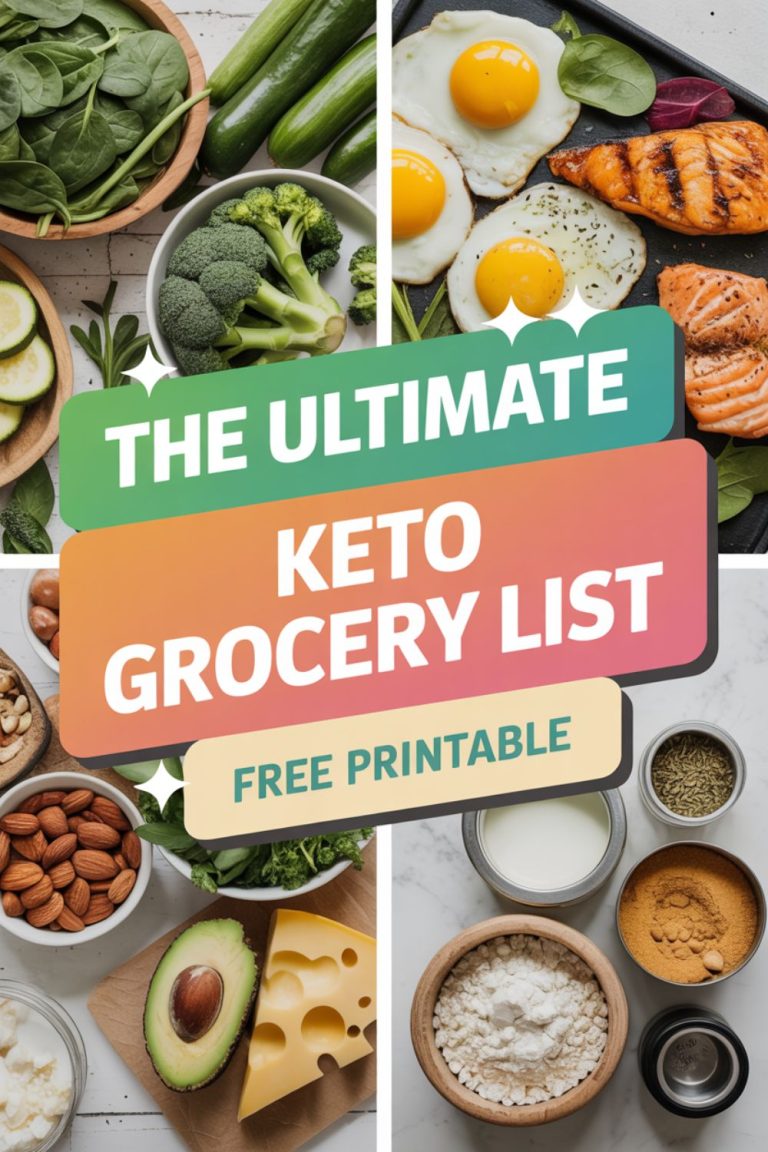
Your success on keto largely depends on what’s in your kitchen. If you stock the right foods, you’ll make this infinitely easier on yourself.
Proteins
- Fatty cuts of meat (ribeye, pork belly, chicken thighs)
- Fatty fish (salmon, mackerel, sardines)
- Eggs (buy in bulk, you’ll go through them)
- Full-fat cheese (cheddar, cream cheese, mozzarella)
- Bacon (check for added sugar)
Fats and Oils
- Avocados and avocado oil
- Extra virgin olive oil
- Coconut oil and MCT oil
- Grass-fed butter or ghee
- Heavy cream
Low-Carb Vegetables
- Leafy greens (spinach, kale, arugula)
- Cruciferous vegetables (broccoli, cauliflower, Brussels sprouts)
- Zucchini and summer squash
- Asparagus and green beans
- Bell peppers (in moderation)
I store my avocados in these ripening bags because nothing is more tragic than wanting guacamole and finding rock-hard avocados or brown mush.
Need variety? These 20 low-carb chicken recipes everyone will love will keep your protein game strong without getting boring.
Macro Breakdown: Getting the Numbers Right
Okay, let’s talk macros. This is where a lot of people get confused, but it’s actually pretty straightforward once you understand the basics.
The standard ketogenic macro ratio is roughly 70-75% fat, 20-25% protein, and 5-10% carbohydrates. But here’s the thing—those are percentages of calories, not grams. This trips people up constantly.
Calculate Your Personal Macros
For a 150-pound person aiming to lose weight:
- Carbs: 20-25 grams per day (fixed, not a percentage)
- Protein: 90-120 grams per day (0.6-0.8g per pound body weight)
- Fat: Fill in the rest to reach your calorie goal
Protein is a goal you should hit. Carbs are a limit you shouldn’t exceed. Fat is a lever—use it to manage hunger and calorie intake. Don’t force-feed yourself fat bombs if you’re trying to lose weight. Your body has plenty of fat to burn already.
According to research published in PMC, maintaining adequate protein while restricting carbohydrates leads to better preservation of lean muscle mass during weight loss.
For more complete meal options that hit these macros perfectly, check out 25 easy low-carb meals for every craving. They take the guesswork out of macro balancing.
📱 Keto Macro Tracker Pro App
Stop doing mental math every time you eat. This smart tracking app is specifically built for ketogenic dieters—not generic calorie counters that don’t understand net carbs or ketone optimization.
- ✓ Instant barcode scanning with 2M+ keto-verified foods
- ✓ Smart macro calculator adjusts as you lose weight
- ✓ Net carb tracking (automatically subtracts fiber & sugar alcohols)
- ✓ Ketone level monitoring integration with Bluetooth devices
- ✓ Progress photos with side-by-side comparison tool
- ✓ Weekly meal planning with one-tap recipe import
- ✓ Intermittent fasting timer with customizable windows
- ✓ Community challenges and accountability partners
Why it’s different: Most tracking apps treat keto like just another diet. This one actually understands ketosis—tracking ketone levels, warning you about hidden carbs in “keto-friendly” products, and optimizing your protein-to-fat ratio based on YOUR goals.
Works on iOS and Android. Syncs with Apple Health, Google Fit, Fitbit, and most popular fitness trackers.
Common Mistakes to Avoid
Let’s save you some heartache. These are the mistakes I see constantly, and they’ll derail your progress faster than you can say “ketosis.”
1. Not Eating Enough Salt
This is the number one mistake. On keto, your body excretes more sodium, and you need to replace it. Headaches, fatigue, muscle cramps? That’s usually a sodium issue, not a keto issue.
2. Too Much Protein Fear
The myth that protein will kick you out of ketosis needs to die. Unless you’re eating obscene amounts, protein won’t sabotage you. In fact, too little protein will cause you to lose muscle along with fat.
3. Drinking “Bulletproof Coffee” All Day
Adding butter and MCT oil to your coffee has its place, but if you’re drinking three of these beasts per day, you’re consuming potentially 1,000+ calories of pure fat. For weight loss, that’s counterproductive.
4. Forgetting to Eat Vegetables
Keto isn’t an excuse to eat nothing but bacon and cheese. You need fiber and micronutrients. Load up on low-carb vegetables. Your gut will thank you.
5. Expecting Perfection
You’re going to have a bad day. You might accidentally eat too many carbs. The world won’t end. Just get back on track the next meal. Consistency beats perfection every single time.
For dinner inspiration that avoids these pitfalls, try these 21 low-carb dinners that actually taste delicious. They’re balanced, satisfying, and won’t leave you starving at midnight.
Exercise and Keto: What You Need to Know
Can you work out on keto? Absolutely. Should you crush yourself with intense workouts during week one? Probably not.
Your athletic performance might dip initially while your body adapts. This is temporary. Once you’re fat-adapted (usually around week 3-4), most people find their endurance improves, though explosive power exercises might feel harder.
Exercise Recommendations by Week
- Week 1: Light walking, gentle yoga, focus on movement not intensity
- Week 2: Gradually increase activity, try moderate cardio
- Week 3: Resume normal workout routine, you should feel recovered
If you’re lifting weights, consider a targeted ketogenic diet approach where you eat 15-30 grams of fast-acting carbs before your workout. This gives you glucose for high-intensity performance without kicking you out of ketosis long-term.
I use these resistance bands for home workouts on days I can’t make it to the gym. They don’t take up space and work surprisingly well for building strength.
Dealing with Social Situations
Here’s where it gets real. Your coworkers will suddenly become nutrition experts. Your mom will worry you’re going to have a heart attack. Your friends will roll their eyes when you pass on the breadbasket.
You don’t owe anyone an explanation about what you eat. A simple “I’m good, thanks” works for most situations. If someone’s genuinely curious, share. If they’re being judgmental, change the subject.
Restaurant Strategies
- Most places will substitute fries or rice for extra vegetables
- Bunless burgers are your friend
- Salads with protein and full-fat dressing
- Grilled fish or steak with butter
- Ask for sauces on the side—many contain hidden sugar
Looking for work-friendly options? These 25 low-carb lunch ideas for work or meal prep are designed to travel well and won’t make your coworkers ask weird questions.
Need quick breakfast solutions? Check out 20 low-carb breakfasts that keep you full all morning. They’re practical for busy mornings when you don’t have time for a three-course meal.
Your Printable Tracker: How to Use It
The tracker is your accountability partner. It’s not about obsessing over every detail—it’s about patterns. Are you consistently hitting your macros? How’s your energy when you eat more fat versus more protein? Are you drinking enough water?
Daily Tracking Essentials
Each day should include:
- Date and day number (1-21)
- Starting weight (weekly, not daily)
- Meals and snacks with approximate macros
- Water intake (track with tick marks or ounces)
- Energy level (scale of 1-10)
- How you feel (physically and mentally)
- Exercise or movement
- Notes section for observations
I print mine on this color printer and keep it on a clipboard in the kitchen. Having it visible makes me more likely to actually use it instead of letting it collect dust in a drawer.
Weekly Review
Every Sunday, review your week. Look for patterns:
- Which meals kept you satisfied longest?
- When did you feel best/worst?
- What triggered any slip-ups?
- How’s your sleep quality?
- Are you seeing progress in measurements or how clothes fit?
This reflection is honestly more valuable than the daily tracking. It helps you understand your body’s unique responses and adjust accordingly.
🎯 Complete Keto Meal Planning System
Sick of staring at your fridge wondering what’s keto-friendly? This comprehensive meal planning system takes all the guesswork out of your ketogenic journey. Designed specifically for people following a low-carb, high-fat lifestyle who want results without the daily stress.
- ✓ 90-day customizable meal plans with full macro breakdowns
- ✓ 200+ keto recipes organized by meal type and prep time
- ✓ Auto-generated shopping lists sorted by grocery store section
- ✓ Printable meal prep guides and batch cooking strategies
- ✓ Restaurant dining cheat sheets for 50+ chains
- ✓ Bonus: Keto dessert cookbook (35 sugar-free recipes)
Perfect for: Busy professionals, meal prep enthusiasts, or anyone tired of eating the same five keto meals on repeat. This isn’t another generic recipe ebook—it’s a complete system that actually accounts for real life.
Supplements: What’s Actually Worth It
The supplement industry would love to sell you seventeen different bottles of stuff. Here’s what you actually need.
Essential Supplements
- Electrolytes: Sodium, potassium, and magnesium—non-negotiable
- Magnesium: Most people are deficient; helps with sleep and muscle function
- MCT oil: Optional but can boost ketone production and energy
- Omega-3s: If you don’t eat fatty fish regularly
Nice-to-Have Supplements
- Exogenous ketones: Can help with keto flu but not necessary
- Psyllium husk: For fiber if you’re not eating enough vegetables
- Collagen: Supports skin, hair, and joints
I take these magnesium glycinate capsules before bed. The glycinate form doesn’t cause digestive issues like some cheaper magnesium supplements do.
According to research from Frontiers in Nutrition, while ketogenic diets can be effective for weight loss, attention to micronutrient intake is important for long-term health.
What to Expect: The Honest Truth
Let’s set realistic expectations. After 21 days on keto:
- You’ll probably lose 5-12 pounds (varies wildly by individual)
- Your energy will likely be more stable throughout the day
- Mental clarity often improves significantly
- Hunger and cravings should be substantially reduced
- You’ll understand how carbs affect your body
- You’ll have established new eating habits
What you probably won’t have:
- A six-pack (unless you were already close)
- Completely transformed relationship with food (that takes longer)
- Immunity to all temptation
- Perfect adherence every single day
The goal isn’t perfection. It’s progress. It’s learning what works for your body. It’s building sustainable habits that you can maintain beyond these three weeks.
For ongoing meal variety that keeps things interesting, explore these 21 low-carb soups and stews for cozy nights. They’re perfect for meal prep and freeze beautifully.
Beyond Day 21: What’s Next
So you’ve completed 21 days. Now what? You have a few options.
Continue Strict Keto
Stay under 25 grams of carbs indefinitely. This works well for some people, especially those with significant health markers to improve.
Shift to Moderate Low-Carb
Increase to 50-100 grams of carbs per day. You won’t be in ketosis, but you’ll maintain many of the benefits while having more flexibility.
Cycle Between Approaches
Some people do strict keto during the week and moderate low-carb on weekends. Others cycle monthly. Experiment to find what’s sustainable for you.
The key is sustainability. The best diet is the one you can stick with long-term. If strict keto feels like a prison sentence, modify it. If it feels effortless, keep going.
For sustainable meal ideas, check out these 25 keto casseroles you’ll make again and again. They’re comfort food that happens to be low-carb.
📊 21-Day Keto Success Tracker (Printable PDF Bundle)
This isn’t just another generic food journal. It’s a complete 21-day transformation system specifically designed for ketogenic dieters who want to see patterns, celebrate wins, and actually stick with the plan beyond week one.
- ✓ Daily macro tracking sheets with net carb calculators
- ✓ Weekly progress measurement logs (weight, measurements, photos)
- ✓ Ketone level tracking charts (blood, breath, or urine)
- ✓ Meal planning worksheets with grocery list templates
- ✓ Electrolyte intake tracker (sodium, potassium, magnesium)
- ✓ Energy & mood journals to identify food triggers
- ✓ Exercise logging pages optimized for keto adaptation
- ✓ Recipe success cards to note your favorite meals
- ✓ BONUS: 30 keto meal prep ideas checklist
- ✓ BONUS: Keto flu survival guide (printable reference)
Print once, use forever: Unlike apps that require subscriptions, you own these PDFs outright. Print multiple copies, write notes in the margins, or use digitally on your tablet. Some people print a fresh set every month—totally up to you.
Perfect for: Visual learners, people who prefer pen-and-paper tracking, or anyone who wants a tangible record of their keto journey without staring at another screen.
Frequently Asked Questions
How much weight can I realistically lose in 21 days on keto?
Most people lose 5-12 pounds in their first three weeks, though individual results vary wildly based on starting weight, adherence, and metabolic factors. Remember that a significant portion of early weight loss is water weight as your body depletes glycogen stores. Don’t get discouraged if the scale slows down after the first week—fat loss is happening even when water weight stabilizes.
Can I exercise during my first week on keto?
Yes, but keep it light during the adaptation phase. Your body is learning to use fat for fuel, and intense workouts might feel harder than usual. Stick to walking, gentle yoga, or light resistance training for the first 5-7 days. Once you’re through the keto flu phase, gradually ramp up intensity. Most people find their endurance actually improves once they’re fully adapted.
What if I accidentally eat too many carbs one day?
Don’t panic and don’t try to “make up” for it by restricting more the next day. Simply get back on track with your next meal. One high-carb meal won’t ruin three weeks of progress, though it might temporarily kick you out of ketosis for a day or two. The key is consistency over time, not perfection. Learn from what triggered the slip-up and move forward.
Do I need to test my ketone levels?
Testing isn’t necessary but can be helpful for peace of mind, especially if you’re not seeing results. Blood ketone meters are most accurate—aim for readings between 0.5-3.0 mmol/L for nutritional ketosis. Urine strips are cheaper but less accurate, especially after the first few weeks. Honestly, if you’re following the plan and feeling good, the number isn’t as important as your overall progress and how you feel.
What’s the difference between keto and just low-carb?
Keto is a specific type of low-carb diet designed to put you in ketosis—typically under 25-50 grams of carbs daily. Low-carb is a broader category that might allow 50-150 grams of carbs per day, which usually won’t trigger ketosis. Both can work for weight loss, but keto has the added benefit of appetite suppression through ketone production. Think of keto as strict low-carb with a metabolic endpoint goal.
Final Thoughts
Twenty-one days isn’t a magic number that will solve all your problems. But it’s enough time to reset your metabolism, break sugar addiction, and prove to yourself that you can do hard things.
This plan isn’t about restriction—it’s about liberation. Liberation from constant hunger, from energy crashes, from feeling like you’re at war with your own body. Does it require effort? Absolutely. Is it worth it? Ask me on day 22.
The printable tracker is your tool, not your taskmaster. Use it to learn about yourself, to identify patterns, to celebrate small wins. Some days will be easy. Some days you’ll want to throw the whole plan out the window and eat an entire pizza. Both are normal.
What matters is that you show up. You track. You adjust. You keep going even when it’s hard. Because on the other side of these 21 days is a version of you who understands their body better, who has more energy, who isn’t controlled by cravings.
And if you’re looking for even more meal inspiration to keep things interesting beyond these three weeks, don’t miss these 20 keto family dinners everyone will enjoy. Because sustainable eating means food that works for your whole household, not just you.
Ready to start? Print that tracker, stock your fridge, and commit to three weeks. Your future self will thank you. And hey, if I can do this while working full-time and maintaining some semblance of a social life, you absolutely can too.