The Ultimate Keto Grocery List (Free Printable)
Look, I’m not going to sugarcoat it—starting keto feels like learning a new language. You’re standing in the grocery store, squinting at nutrition labels like they’re written in ancient hieroglyphics, wondering if that innocent-looking yogurt is going to kick you out of ketosis. Been there, done that, bought the almond flour.
After two years of trial, error, and way too many trips back to return carb-loaded “mistakes,” I’ve finally nailed down a grocery list that makes keto shopping feel less like a scavenger hunt and more like, well, actual grocery shopping. This isn’t some generic list you’ll print and never look at again. This is the real deal—the stuff that actually ends up in my cart every single week.
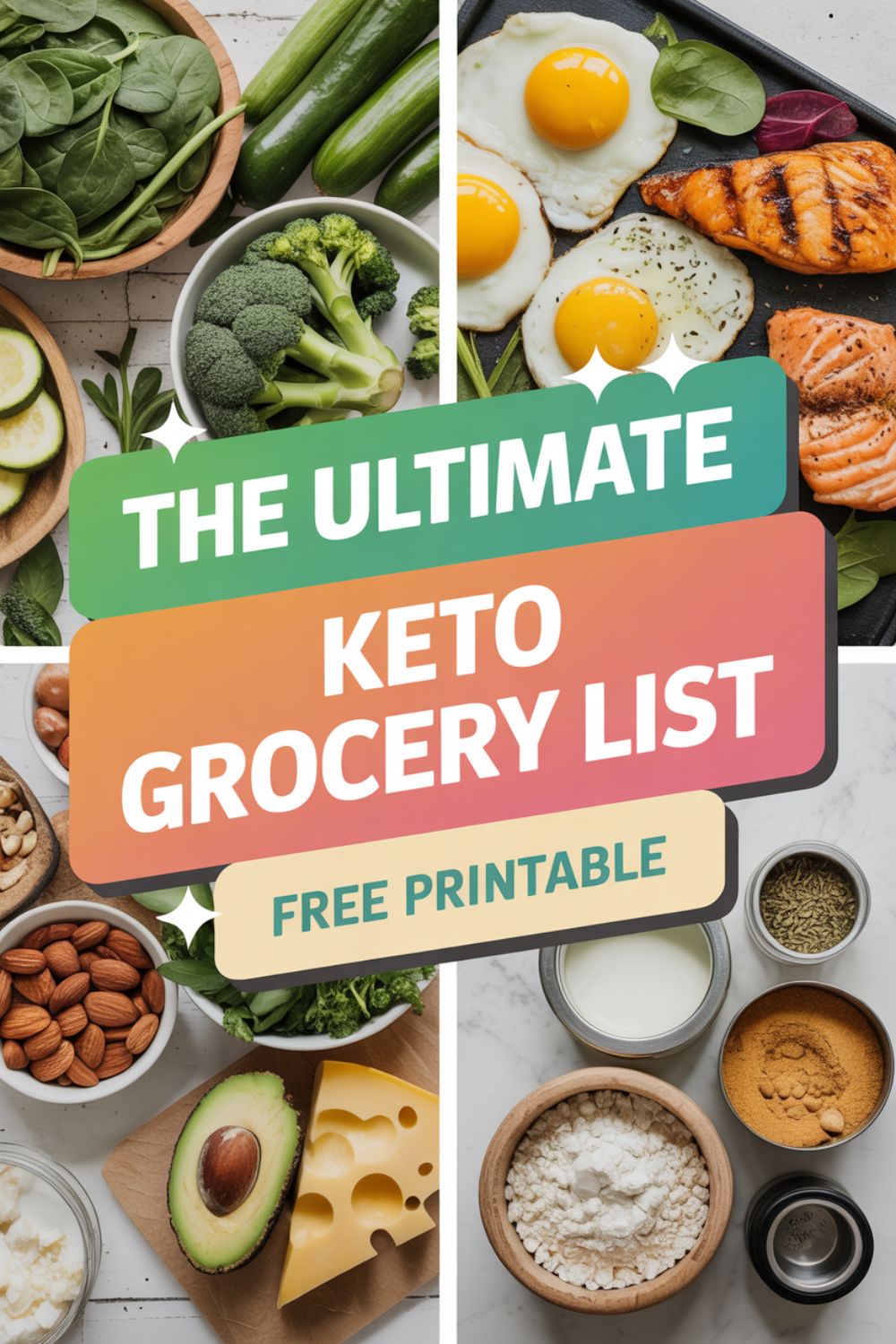
Whether you’re just starting out or you’ve been keto for a while and need to shake things up, this guide breaks down exactly what to buy, where to find it, and why it matters. Plus, I’m throwing in a free printable list at the end because nobody has time to memorize this stuff while dodging sample tables at Costco.
Why Your Grocery List Makes or Breaks Keto
Here’s the thing nobody tells you when you start keto: success isn’t about willpower—it’s about having the right stuff in your kitchen. I spent my first month white-knuckling it through cravings because I kept “forgetting” to stock up on keto-friendly snacks. Spoiler alert: that approach lasted exactly nine days before I face-planted into a pizza.
The ketogenic diet works by shifting your metabolism from burning glucose to burning fat for fuel, producing ketones in the process. But this metabolic magic only happens when you consistently keep your carb intake below 20-50 grams per day. Miss that target because you grabbed the wrong salad dressing, and you’re back to square one.
A solid grocery list isn’t just convenient—it’s your insurance policy against those weak moments when regular pasta starts looking like a viable dinner option. When your fridge is stocked with delicious keto options, staying on track becomes ridiculously easy.
The Keto Pantry Staples You Need Right Now
Think of these as your non-negotiables. These are the ingredients that show up in basically every keto recipe I make, and running out of any of them feels like a minor kitchen emergency.
Healthy Fats and Oils
Extra virgin olive oil is my go-to for pretty much everything that doesn’t need high heat. I’m talking salad dressings, low-temperature sautéing, and drizzling over roasted veggies. Get the good stuff—your taste buds and your heart will thank you. Research suggests that the quality of fats you consume on keto matters significantly for long-term health outcomes.
For higher heat cooking, I swear by avocado oil#. It has a crazy high smoke point and doesn’t taste like anything, which is perfect when you don’t want your scrambled eggs tasting like salad. I use this cold-pressed avocado oil# for everything from stir-fries to air fryer recipes.
Coconut oil deserves its own moment here. Beyond cooking, I add it to my morning coffee for that extra fat boost. Some people swear by MCT oil instead, which is basically concentrated coconut oil that converts to ketones faster. Both work, though MCT oil can be, uh, intense on your digestive system if you’re not careful. Start small.
And listen, you need grass-fed butter or ghee in your life. I keep both—butter for baking and spreading, ghee for high-heat cooking. The flavor is richer, and if you’re going to be eating this much fat, it might as well taste incredible.
📖 The Complete Keto Recipe Collection
Struggling to come up with new keto meal ideas? This comprehensive digital cookbook contains 200+ tested keto recipes with full macro breakdowns for every single dish. No more guessing or calculating—everything’s done for you.
- ✓ 200+ recipes organized by meal type and cooking time
- ✓ Complete nutritional information (calories, fat, protein, net carbs)
- ✓ Weekly meal plans with shopping lists included
- ✓ Beginner-friendly instructions with photos
- ✓ Instant PDF download – start cooking today
Perfect for anyone who wants variety without the meal-planning headache. I use recipes from this collection at least 3-4 times per week.
Get the Complete Keto Recipe Collection →Protein Powerhouses
Protein is where keto gets interesting because you’re aiming for moderate intake, not super high. Too much protein can actually interfere with ketosis, so quality beats quantity every time.
Grass-fed beef is worth the extra cost. I’m not usually one for fancy food trends, but the difference in flavor is real, plus it has a better omega-3 to omega-6 ratio. Ground beef, ribeyes, chuck roasts—they all make regular appearances in my meal rotation. Looking for dinner inspiration? These easy keto dinners have saved me countless busy weeknights.
Pasture-raised chicken is my budget-friendly protein. Thighs over breasts, always—more fat, more flavor, and they don’t turn into shoe leather if you accidentally overcook them. I buy a big pack, portion it out, and freeze what I won’t use within three days.
Don’t sleep on wild-caught salmon. It’s pricey, but the omega-3s and healthy fats make it perfect for keto. I grab a couple fillets each week and either pan-sear them with lemon butter or toss them in the oven with some herbs. Ten minutes, dinner’s done.
Eggs are basically keto gold. Cheap, versatile, packed with healthy fats and protein. I go through at least two dozen a week between breakfasts, baking, and just hard-boiling a batch for quick snacks. If you need breakfast ideas that actually keep you full, check out these keto breakfast ideas that’ve become my morning staples.
For convenience days, I keep quality deli meat around—turkey, roast beef, salami. Just watch the labels because some brands sneak in sugar. Roll them up with cheese, stuff them with cream cheese and pickles, or eat them straight from the package at midnight. No judgment here.
Low-Carb Flours and Baking Essentials
Giving up bread was rough until I discovered almond flour and coconut flour. They’re not perfect bread replacements—let’s be honest—but they make pretty decent muffins, pancakes, and pizza crusts. Almond flour is my main go-to because coconut flour absorbs liquid like a sponge and can make things weirdly dense if you’re not careful.
I store both in the fridge because they can go rancid sitting in the pantry. Learned that one the hard way. You’ll want to grab a decent airtight container set# for these—keeps them fresh and prevents that “what’s that smell?” moment three months later.
For sweeteners, I stick with erythritol and monk fruit. Erythritol measures cup-for-cup like sugar, which makes recipe conversions easier. Monk fruit is sweeter, so you need less. Both have minimal impact on blood sugar, unlike those sketchy “natural” sweeteners that are basically just regular sugar with clever marketing.
If you’re into desserts, you’ll also want sugar-free chocolate chips and unsweetened cocoa powder. Because life without chocolate is just depressing, keto or not. Speaking of which, these keto desserts seriously don’t taste like diet food.
🎯 Need More Recipe Inspiration?
I spent six months testing recipes before I found winners worth making twice. Save yourself the trial and error with The Essential Keto Recipe Collection# — 150+ tested recipes organized by meal type with full macros calculated. Every recipe uses ingredients from this grocery list, so no weird specialty items sitting in your pantry forever.
What’s inside:
- ✓ 150+ keto recipes with complete macro breakdowns
- ✓ 30-day meal plan to eliminate decision fatigue
- ✓ Printable shopping lists for each week
- ✓ Quick reference guide for eating out on keto
Honestly worth it if you’re tired of eating the same five meals on repeat. Check it out here#
Fresh Produce: The Colorful Stuff That Matters
Vegetables on keto aren’t optional—they’re essential. I know the memes make it look like keto is just bacon and butter, but trust me, you need the fiber and micronutrients. Your digestive system will stage a revolt otherwise.
Low-Carb Vegetables to Load Up On
Leafy greens are your best friends. Spinach, kale, arugula, romaine—I buy massive quantities because they’re basically free carbs. A huge salad with rich, fatty dressing is one of my favorite meals, and I never feel like I’m missing out.
Cruciferous vegetables like broccoli, cauliflower, and Brussels sprouts show up in my cart every single week. Cauliflower especially is a game-changer—I’ve turned it into rice, pizza crust, mashed “potatoes,” and even a surprisingly decent mac and cheese base. I use this food processor# to rice cauliflower because doing it by hand is a special kind of torture.
Zucchini is another MVP. Spiralized into noodles, sliced into chips, shredded into fritters—it’s stupidly versatile and tastes like whatever you season it with. I keep at least four or five in the crisper at all times.
For crunch and color, I grab bell peppers, cucumbers, and celery. They’re perfect for dipping into high-fat dips and add some texture variety to meals. Cherry tomatoes are technically fruit, but they’re low enough in carbs that I don’t stress about tossing a handful into salads.
The Avocado Situation
Avocados deserve their own section because they’re basically the unofficial mascot of keto. High in healthy fats, low in net carbs, and filling as hell. I buy them in different stages of ripeness—some ready to eat now, some for later in the week—because there’s a six-hour window where an avocado goes from “not quite” to “perfect” to “brown mush.”
I eat them plain with salt, mash them into guacamole, slice them onto everything, and blend them into smoothies for that creamy texture. If you’re not eating at least three or four avocados a week on keto, you’re missing out.
“I thought keto meant giving up variety, but once I learned which veggies were low-carb, my meals became more colorful than they’d ever been. Lost 22 pounds in four months and never felt deprived.” — Jessica M., community member
Dairy and Cheese: The Rich, Creamy Essentials
If you’re not lactose intolerant, dairy is about to become your favorite food group. The fat content makes it perfect for keto, and honestly, what’s life without cheese?
Cheese for Days
Cheddar, mozzarella, parmesan, goat cheese, cream cheese—I keep at least five varieties in my fridge at all times. They’re not just for snacking (though I definitely do that). Melted cheese turns boring vegetables into something crave-worthy.
I buy blocks and shred them myself rather than buying pre-shredded. Pre-shredded cheese has added starches to prevent clumping, which adds unnecessary carbs. Plus, it doesn’t melt as smoothly. Get yourself a decent box grater# and save money while you’re at it.
Heavy Cream and Full-Fat Everything
Heavy whipping cream lives in my fridge permanently. Coffee, sauces, soups, whipped cream for desserts—it’s incredibly versatile. I also keep sour cream and Greek yogurt (full-fat only) for variety.
Here’s where keto gets weird if you’re coming from a low-fat diet: you want the full-fat versions of everything. Skim milk, low-fat yogurt, reduced-fat cheese—none of that belongs in a keto kitchen. When they remove the fat, they usually add sugar to make it taste decent. We’re doing the opposite.
Some folks do great with dairy, others find it stalls their weight loss. I’m in the “doing great” camp, but if you’re not seeing results after a few weeks, dairy might be worth temporarily eliminating to see if that’s the culprit.
Looking for ways to use all this cheese and cream? These keto casseroles and these cozy soups have become cold-weather favorites in my house.
Snacks and Convenience Foods
Let’s talk about the stuff that saves you when hunger hits at 3 PM and making a full meal sounds exhausting.
Nuts and Seeds
Almonds, macadamia nuts, pecans, and walnuts are my go-to portable snacks. They’re high in fat, relatively low in carbs, and don’t need refrigeration. I portion them into small containers because sitting down with the entire jar is dangerous territory—they’re easy to overeat.
Cashews are a gray area because they’re higher in carbs. If you love them, fine, but measure carefully. Chia seeds and flax seeds are great for adding to yogurt or making chia pudding—crazy high in fiber, which you’ll appreciate when keto-constipation makes its unwelcome appearance.
I keep a bag of pork rinds around for when I need something crunchy and salty. They’re pure protein and fat with zero carbs. Not the fanciest snack, but they scratch that chip-craving itch without derailing your macros. For more snack inspiration, these keto snacks have seriously saved me during busy weeks.
Dark Chocolate and Fat Bombs
You need dark chocolate (85% cacao or higher) for those moments when only chocolate will do. A few squares after dinner satisfies the sweet tooth without causing a carb explosion. I also make fat bombs—little frozen treats made from coconut oil, nut butter, and cocoa powder. They’re rich enough that one or two is plenty.
Making fat bombs is weirdly satisfying. I use these silicone molds# to portion them out perfectly, freeze a batch, and have grab-and-go treats for two weeks.
📊 Stop Guessing Your Macros
Real talk: I eyeballed my portions for three weeks and wondered why I wasn’t seeing results. Turns out I was eating way more carbs than I thought. Carb Manager Pro# changed everything. It’s specifically built for keto—none of that generic calorie-counting nonsense that treats a banana the same as a handful of almonds.
Why it’s actually useful:
- ✓ Barcode scanner that knows net carbs vs total carbs
- ✓ Tracks ketone levels and helps you stay in the zone
- ✓ Restaurant database with actual keto-friendly options
- ✓ Macro calculator that adjusts as you lose weight
- ✓ Recipe builder with automatic macro breakdowns
The free version works fine, but the pro subscription is worth it if you’re serious about tracking. Try it here#
Condiments and Flavor Boosters
This is where a lot of people accidentally sabotage themselves. Regular ketchup? Packed with sugar. BBQ sauce? Might as well be candy. Standard salad dressings? Carb bombs.
The Good Stuff
Mustard is naturally low-carb and adds a ton of flavor. Dijon, spicy brown, whole grain—I keep multiple varieties. Hot sauce and sriracha (check labels because some have added sugar) are also pantry staples.
For salad dressings, I mostly make my own with olive oil, vinegar, and seasonings. When I’m lazy, I buy Primal Kitchen dressings#—they’re actually keto-friendly and taste legit. The Caesar and Green Goddess flavors are in constant rotation.
Mayo (ideally made with avocado oil), sugar-free ketchup, and coconut aminos (a soy sauce alternative that’s slightly sweeter) round out my condiment collection. I also keep Parmesan crisps on hand for crumbling over salads—they add that salty, crunchy element that makes vegetables less boring.
Spices and Seasonings
A well-stocked spice cabinet makes keto cooking exponentially better. Garlic powder, onion powder, paprika, cumin, Italian seasoning, chili powder—these are non-negotiables.
Fresh herbs like basil, cilantro, and parsley elevate everything, but they go bad fast. I’ve started keeping some dried versions as backup, though fresh is always better when possible. Sea salt and black pepper seem obvious, but quality versions actually make a difference.
Need more meal variety? Check out these one-pan keto meals that make weeknight dinners stupidly simple with minimal cleanup.
Beverages and Drinks
Hydration on keto is crucial, and I’m not just talking about water (though you need lots of that too).
What Actually Keeps You in Ketosis
Water is obvious but easy to under-consume. I aim for at least 80 ounces daily. Sparkling water adds variety without added anything—flavored versions work too, just check that they’re not sweetened.
Coffee and tea (unsweetened) are fine, obviously. I’ve become that person who drinks coffee with heavy cream and feels fancy about it. Some people do bulletproof coffee with butter and MCT oil blended in. I tried it, felt like I was drinking a candle, but some folks swear by it for energy and appetite suppression.
Bone broth deserves a mention here because it’s technically a drink and incredibly helpful when you’re adjusting to keto. The electrolytes help prevent the dreaded “keto flu”—that awful first week or two when you feel like garbage as your body adapts. I sip on warm broth with salt in the evenings.
For something more exciting, I make these keto smoothies when I want something cold and creamy without spiking my blood sugar.
What to Avoid
This should be obvious, but: no juice, no soda, no sweetened anything. Even diet sodas are controversial—artificial sweeteners can trigger cravings in some people. I occasionally have one, but it’s definitely not a daily thing.
Alcohol is tricky. Technically, dry wines and spirits are low-carb, but alcohol pauses fat-burning while your body processes it. I save it for special occasions rather than making it a regular thing.
“The first week was brutal until I started drinking bone broth twice a day. The difference was night and day—no more headaches, no more feeling wiped out. Wish someone had told me this from day one.” — Marcus T., keto since 2023
Specialty Items Worth Having
These aren’t essentials, but they make keto life significantly easier.
Sugar-Free Alternatives
Sugar-free maple syrup and sugar-free chocolate syrup sound too good to be true, but they’re actually decent. Use them sparingly because even sugar-free versions can trigger sweet cravings.
Protein powder (low-carb, obviously) is handy for quick shakes or adding to recipes. I use Isopure unflavored whey# because it mixes well and doesn’t have that weird artificial sweetener aftertaste.
Frozen Convenience Foods
I keep frozen cauliflower rice in the freezer always. It’s already riced, cooks in minutes, and saves me from cleaning the food processor. Frozen berries (especially raspberries and blackberries) work for occasional treats or smoothies—they’re lower in carbs than most fruit.
Frozen spinach and broccoli are backup vegetables for when I haven’t made it to the store. They’re not as good as fresh, but they beat eating nothing green for a week.
For busy weeks when cooking feels impossible, I rely on these meal prep ideas that let me batch-cook on Sunday and coast through the week.
The Comparison: Keto vs Regular Grocery Shopping
Here’s the reality check: keto groceries cost more upfront. Grass-fed meat, avocados, almond flour, high-quality oils—none of this is cheap. My grocery bill went up about 30% when I started.
But here’s what happened: I stopped eating out as much because I actually enjoyed cooking these meals. I wasn’t constantly snacking because high-fat foods keep you satisfied longer. And I definitely wasn’t wasting money on junk food that left me hungry an hour later.
Regular grocery shopping focuses heavily on grains, starches, and processed carbs—all cheap fillers. Keto shopping prioritizes nutrient-dense whole foods. You’re paying for quality, and IMO, your health is worth the investment. Plus, comparing the cost of ongoing health issues from poor diet makes that extra $50 a week look pretty reasonable.
The learning curve is real though. I wasted money on ingredients I never used and experimented with products that sucked. This list is meant to save you from those mistakes.
Shopping Strategy: How to Actually Use This List
Having a list means nothing if you’re still wandering aimlessly through the store. Here’s my system that makes this painless.
Plan Your Meals First
I know, I know—meal planning sounds like homework. But spending 20 minutes on Saturday planning the week’s meals saves hours of “what’s for dinner?” decision fatigue. Pick 3-4 dinner recipes, double one for leftovers, and assume breakfast and lunch will be eggs, salads, or leftovers.
Write down what you need for those specific recipes. Then add your regular staples from this master list. This approach prevents both “I have nothing to eat” and “Why did I buy three jars of capers?”
Shop the Perimeter
This is old advice but it works. The outside edges of the grocery store have produce, meat, and dairy—basically everything you need. The middle aisles are where temptation and processed carbs live. I do a quick dart into specific aisles for things like olive oil or almond flour, then get out.
Also, never shop hungry. I’ve violated this rule exactly once and came home with $40 worth of keto-friendly snacks I didn’t need because everything looked amazing.
Read Every Label
I’m serious. Sugar hides everywhere—salad dressings, marinades, deli meat, bacon, even some brands of heavy cream. Check the nutrition label for total carbs and the ingredient list for added sugars. If something has more than 5g of carbs per serving and you can’t figure out why (i.e., it’s not vegetables), put it back.
You’ll develop a mental database of safe brands pretty quickly, but when trying something new, read the damn label. I use this nutrition tracker app# to log everything when I’m unsure about carb counts.
🗓️ Never Ask “What’s for Dinner?” Again
Meal planning is hands-down the #1 thing that keeps me consistent with keto. But staring at blank meal plan templates every Sunday got old fast. The Keto Meal Planner & Prep Guide# does the heavy lifting for you—drag-and-drop meal planning with automatic shopping lists generated from whatever you pick.
What makes it worth having:
- ✓ 12 weeks of pre-planned keto meals (customizable)
- ✓ Auto-generated shopping lists from your meal selections
- ✓ Prep guides that break down Sunday batch cooking
- ✓ Leftover management system (no food waste)
- ✓ Budget tracker to keep grocery costs in check
- ✓ Family adaptation guide for mixed-diet households
I used to spend 45 minutes every weekend planning meals. Now it takes 10. That alone made it worthwhile. Get the planner here#
When you’re looking for practical ways to use all these ingredients, these low-carb meals cover every craving without the carbs. And if you’re cooking for a family with mixed dietary preferences, these family-friendly keto dinners actually get everyone on board.
Common Grocery Shopping Mistakes to Avoid
Learn from my failures, please.
Buying Every “Keto” Product You See
Just because something says “keto” on the label doesn’t mean it’s good or necessary. The keto product industry has exploded, and a lot of it is overpriced garbage with questionable ingredients. Some keto bread tastes like cardboard held together with hope. Some keto cookies have as many carbs as regular cookies when you look closely.
Test new products one at a time rather than dropping $100 on keto versions of every food you used to eat. Sometimes the real thing in moderation (measured carefully) beats the sad imitation.
Not Buying Enough Fat
This was my mistake for the first month. I understood “low carb” but didn’t fully grasp “high fat,” so I was eating chicken breasts and vegetables and wondering why I was starving all the time. Fat is not just allowed on keto—it’s required.
Add butter to your vegetables. Use full-fat dressings. Cook with oil. Eat the skin on the chicken. Once I started intentionally adding fat to meals, my energy stabilized and cravings disappeared.
Forgetting Electrolytes
Keto is naturally diuretic, meaning you lose water and electrolytes faster. Stock up on good salt (I use pink Himalayan), and consider getting a magnesium supplement and potassium-rich foods like avocados and spinach. The “keto flu” is largely preventable with proper electrolyte management.
I keep electrolyte packets# in my pantry for when I’m feeling off. They’re sugar-free and mix into water easily.
Frequently Asked Questions
Can I eat fruit on keto?
Fruit is tricky because it’s high in natural sugars. Most fruits are too carb-heavy for strict keto. The exceptions are berries—strawberries, raspberries, blackberries, and blueberries in moderation. A quarter cup of berries won’t wreck your macros, but a banana or apple definitely will. If you’re craving fruit, stick to small portions of berries and track them carefully.
How much should I spend on keto groceries per week?
This varies wildly based on where you live and what you prioritize. I spend about $120-150 per week for one person, buying mostly organic produce and grass-fed meats. You could do it for $80-100 if you’re more budget-conscious and buy conventional produce and regular meats. The key is planning meals around what’s on sale and buying staples in bulk when possible.
Do I need to buy organic everything on keto?
No, organic is a personal choice, not a keto requirement. If budget allows, prioritize organic for the “dirty dozen” produce (strawberries, spinach, etc.) and meat when possible. But conventionally-grown vegetables are infinitely better than no vegetables. Don’t let perfect be the enemy of good here—focus on hitting your macros first, optimize quality second.
What’s the difference between net carbs and total carbs?
Total carbs include everything—sugars, starches, and fiber. Net carbs are what matter on keto: total carbs minus fiber (and sometimes sugar alcohols like erythritol). The formula is simple: Total Carbs – Fiber = Net Carbs. You track net carbs because fiber doesn’t spike blood sugar or interfere with ketosis. This is why you can eat a big bowl of broccoli without blowing your carb limit.
How long do keto groceries stay fresh?
Produce varies—leafy greens last 3-5 days, cruciferous veggies about a week, avocados are a gamble. Meat should be cooked or frozen within 3 days of purchase. Eggs last 3-5 weeks refrigerated. Cheese stays good for weeks (hard cheeses longer than soft). Nuts and seeds last months in the pantry, longer in the fridge. Meal planning around these timelines prevents waste—cook the most perishable stuff early in the week.
Your Keto Success Starts Here
Here’s the bottom line: keto isn’t some mystical diet that requires exotic ingredients or a culinary degree. It’s about choosing the right foods consistently and not overthinking it.
This grocery list gives you everything you need to eat well, stay in ketosis, and actually enjoy your meals. Print it, screenshot it, memorize it—whatever works. The specific brands and products will evolve as you figure out your preferences, but these categories stay constant.
Start with the pantry staples and proteins, then build out from there as your budget and confidence grow. You don’t need to buy everything at once. Focus on getting a solid foundation of fats, proteins, and low-carb vegetables, then experiment with the specialty items over time.
The biggest lesson I learned: preparation beats willpower every single time. When your kitchen is stocked with delicious keto options, staying on track isn’t hard—it’s just what you do. When your kitchen is empty and you’re starving, that’s when the drive-through starts looking tempting.
You’ve got this. Now go make that grocery list work for you.