
30-Day Keto Challenge (Free Download)
So you’ve heard about keto, scrolled through before-and-after photos that seem too good to be true, and now you’re wondering if a 30-day commitment could actually change your life. Spoiler alert: it might. But let me tell you straight up—this isn’t some magic bullet that’ll fix everything while you sleep. It’s a real commitment, and honestly? That’s exactly why it works.
Look, I’m not here to sell you on some miracle diet or pretend that eating bacon wrapped in cheese is the answer to all life’s problems. What I am here for is to walk you through exactly what a 30-day keto challenge looks like, why it might work for you, and how to actually stick with it without losing your mind or your social life.

What Actually Is a 30-Day Keto Challenge?
Here’s the deal: a 30-day keto challenge is exactly what it sounds like—you commit to eating a ketogenic diet for one full month. No cheat days, no “just this once” mentality, no half-measures. You’re cutting carbs down to about 20-50 grams per day, upping your fat intake significantly, and keeping protein moderate.
The goal? Get your body into a metabolic state called ketosis, where it burns fat for fuel instead of carbohydrates. Research from the National Center for Biotechnology Information shows that ketogenic diets can lead to improvements in fasting insulin, glycemic measures, and various metabolic markers when followed consistently.
Think of it like teaching your body a new language. The first week? Total confusion. Week two? Starting to get the hang of it. By week three and four? You’re practically fluent, and your body is running on a completely different fuel system.
Don’t start this challenge the week of your best friend’s wedding or during the holidays. Give yourself the best shot at success by choosing a month where you have control over most of your meals.
Why 30 Days? The Science Behind the Timeline
You might be thinking, “Why not 14 days or 60 days?” Great question. The 30-day timeframe isn’t random—it’s actually pretty strategic.
First off, it takes your body roughly 3-7 days to enter ketosis, depending on your metabolism and how strictly you follow the plan. Then you need another week or two to become “keto-adapted,” where your body gets efficient at burning fat for fuel. By day 21, most people start feeling the real benefits: stable energy, mental clarity, reduced cravings.
According to a comprehensive umbrella review published in BMC Medicine, short-term ketogenic interventions spanning several weeks show measurable improvements in body weight, triglycerides, and blood glucose control. But here’s the thing—you need enough time to actually experience these changes, not just read about them.
The fourth week is where the magic happens. Your cravings are manageable, you’ve figured out your go-to meals, and you can actually tell if this lifestyle works for your body. Plus, 30 days is long enough to see real results but short enough that it doesn’t feel like a life sentence.
The First Week: Welcome to Keto Flu Territory
Let’s not sugarcoat it—the first week can be rough. You’ll probably experience what’s lovingly called the “keto flu.” Headaches, fatigue, irritability, brain fog. Fun stuff, right? This happens because your body is literally switching fuel sources, and it’s not thrilled about it.
I’m not gonna lie, this is where most people quit. But here’s what helps: electrolytes. Lots of them. Salt your food, drink bone broth, consider a magnesium supplement. Your body is flushing out water and electrolytes as you deplete glycogen stores, so you need to actively replace them.
For meal ideas during this adjustment period, check out these 20 low-carb breakfasts that keep you full all morning. Starting your day with the right foods makes everything easier.
Week Two: The Transition Zone
By week two, the worst of the keto flu should be behind you. You’re starting to feel more normal, though maybe not superhuman yet. This is when you really need to nail down your meal rotation and find what works for you.
The biggest mistake people make here is getting bored with their food. They eat chicken and broccoli for the fifth day in a row and wonder why they’re fantasizing about bread. Don’t be that person. Mix it up. Try new recipes. Speaking of which, these 25 keto breakfast ideas will save you from egg burnout.
Investing in a good digital food scale during this phase isn’t just helpful—it’s essential. Eyeballing portions when you’re new to keto is like trying to parallel park with your eyes closed. Sure, you might get lucky, but probably not.
Building Your 30-Day Meal Strategy
Here’s where we get practical. You can’t just wing this and hope for the best. Well, you can, but you’ll probably end up eating sad desk salads and breaking your fast with whatever’s in the vending machine.
Your strategy should involve three key components: meal prep, strategic shopping, and having backup options for when life gets messy.
The Meal Prep Reality Check
Everyone says meal prep is the answer, and they’re right. But let’s be real about what that actually means. You don’t need to cook 21 meals every Sunday. That’s insane and unsustainable. What you need is to prep components.
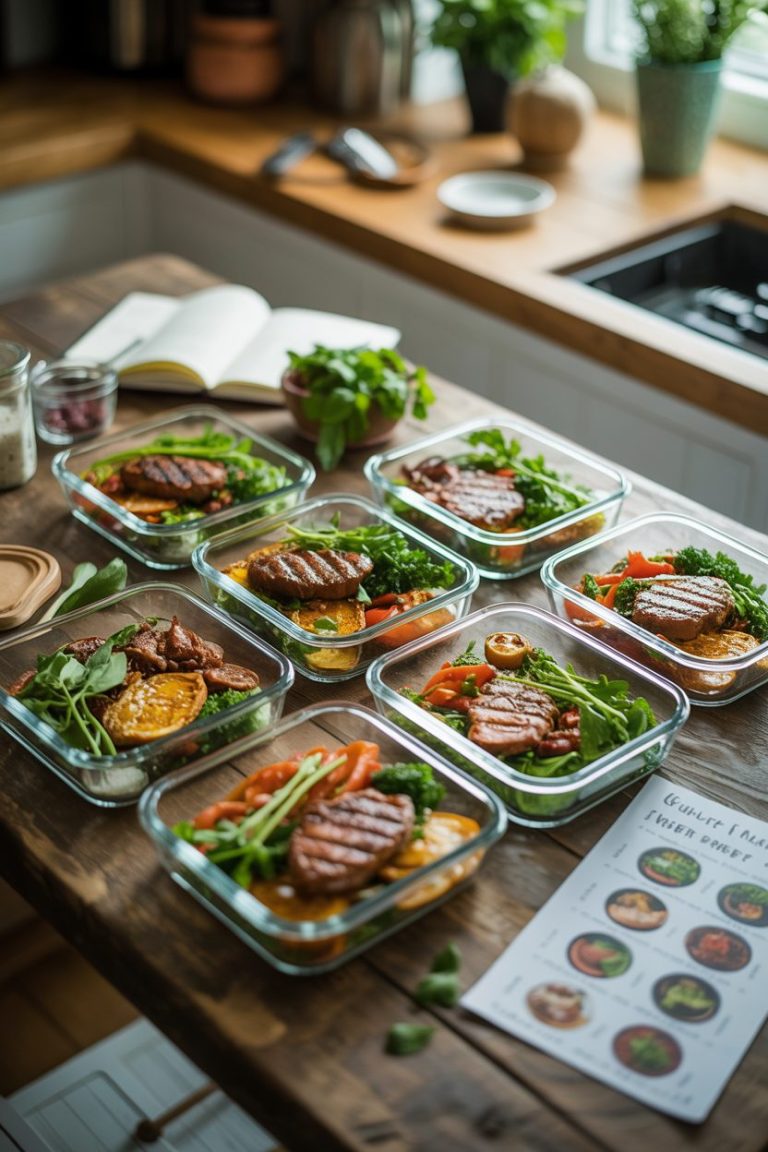
Cook a big batch of protein—chicken thighs, ground beef, pork shoulder in your slow cooker. Roast vegetables. Make a couple of keto-friendly sauces. Then mix and match throughout the week. For complete guidance, these 25 keto meal prep ideas break down exactly how to approach this without overwhelming yourself.
I use a set of glass meal prep containers with dividers. They’re not cheap, but they don’t hold onto smells like plastic does, and honestly, when your lunch looks good, you’re way more likely to actually eat it instead of ordering takeout.
Complete Keto Recipe Collection eBook
Tired of eating the same five meals on repeat? This comprehensive keto recipe collection includes over 200 tested recipes specifically designed for the 30-day challenge and beyond. Every recipe includes full macros, prep time, and substitution options.
- 200+ keto recipes organized by meal type and occasion
- Complete macro breakdown for every single recipe
- 30-day meal rotation to prevent boredom
- Quick reference guide for keto-friendly ingredient swaps
- Printable shopping lists organized by grocery store section
- Bonus: 50 keto desserts that don’t taste like cardboard
Every Sunday night, boil a dozen eggs and keep them in your fridge. They’re perfect for grab-and-go breakfasts, emergency snacks, and topping salads when you need extra protein without thinking too hard.
Shopping Smart: Your Keto Grocery Game Plan
The way you shop completely changes on keto. You’ll basically live on the perimeter of the grocery store—meat, produce, dairy. The middle aisles become a no-man’s land of temptation and carb-loaded nonsense you don’t need.
Stock up on staples: eggs, full-fat dairy, fatty cuts of meat, leafy greens, cruciferous vegetables, nuts, seeds, and good quality fats like avocado oil and grass-fed butter. And invest in a ketone blood meter if you’re serious about tracking whether you’re actually in ketosis or just eating a lot of bacon.
For snack situations, check out these 25 keto snacks that crush cravings. Having the right snacks available is the difference between staying on track and face-planting into a bag of chips at 3 PM.
What You’ll Actually Experience During the Challenge
Let me paint you a realistic picture of what these 30 days might look like, because the Instagram version and the reality version are two very different things.
The Physical Changes You’ll Notice
The first thing most people notice is the scale moving. And yeah, some of that initial drop is water weight—glycogen stores being depleted. But don’t let anyone dismiss your progress as “just water weight.” That water weight was bloat, and you should feel better without it.
By week two, fat loss typically kicks in. Your clothes might fit differently before the scale shows dramatic changes. That’s normal. Studies published in Frontiers in Nutrition indicate that ketogenic diets can lead to short-term improvements in body composition and metabolic markers, though individual responses vary.
Energy levels are weird at first—you’ll feel sluggish, then suddenly you’ll have this steady, non-jittery energy that lasts all day. No more 2 PM crash where you’d kill for a nap. It’s honestly one of the best parts.
The Mental Shifts That Surprise Everyone
Here’s what nobody tells you: the mental changes might be more dramatic than the physical ones. Food stops being this constant thought. You’re not hungry every two hours. You can actually focus on work without your brain screaming about snacks.
The mental clarity thing sounds like BS until you experience it. Then you’re like, “Oh, this is what people mean.” Your brain actually runs better on ketones than glucose. Who knew?
But also—and I’m being honest here—you’ll probably get annoyed at some point. You’ll be tired of explaining to people why you’re not eating the birthday cake. You’ll feel left out when everyone’s sharing pizza. That’s normal. Push through it.
Need inspiration for dinner when you’re feeling stuck? Try these easy keto dinner recipes or these lazy keto meals for busy nights. Sometimes you just need options that don’t require a culinary degree.
Navigating Social Situations Without Being That Person
You know what nobody talks about enough? How awkward keto can be socially. Someone offers you a cookie, and suddenly you’re the weirdo who launches into a five-minute explanation about ketosis and metabolic flexibility.
Don’t be that person. Here’s your script: “Thanks, but I’m good.” That’s it. You don’t owe anyone an explanation about your dietary choices.
Restaurant Survival Guide
Eating out doesn’t have to derail you. Most restaurants will accommodate if you just ask. Swap the fries for a salad. Get burgers without the bun. Order extra vegetables instead of rice. It’s really not that complicated.
The key is not making a huge deal about it. Quietly modify your order and move on. Your dining companions don’t need a TED talk about your macros.
If you’re heading to a party, eat before you go. Have a solid keto meal so you’re not ravenous and staring at the snack table like a wild animal. These keto appetizers are perfect if you’re hosting and want options everyone can enjoy.
Keep a pack of individual nut butter packets in your bag. They’re a lifesaver when you’re stuck somewhere with no keto options and your blood sugar is tanking.
Common Pitfalls and How to Dodge Them
Let’s talk about where people typically fall off the wagon, because awareness is half the battle.
The “One Bite Won’t Hurt” Trap
Yeah, one bite might not hurt. But one bite often turns into “Well, I already messed up, might as well eat the whole thing.” Then you’re out of ketosis, feeling like garbage, and starting over from day one.
During your 30-day challenge, commit fully. After the 30 days, you can reassess. But during? No cheats. Not because you’re being rigid and miserable, but because you’re actually trying to see what this diet can do for you.
Protein Overconsumption
This is super common. People cut carbs, feel hungry, and just eat massive amounts of protein. But here’s the thing: excess protein can be converted to glucose through a process called gluconeogenesis, potentially kicking you out of ketosis.
Aim for moderate protein—around 0.8-1 gram per pound of lean body mass. If you’re confused about this, a keto calculator app can help you dial in your macros precisely. For high-protein options that still fit keto macros, check out these high-protein keto meals.
Neglecting Vegetables
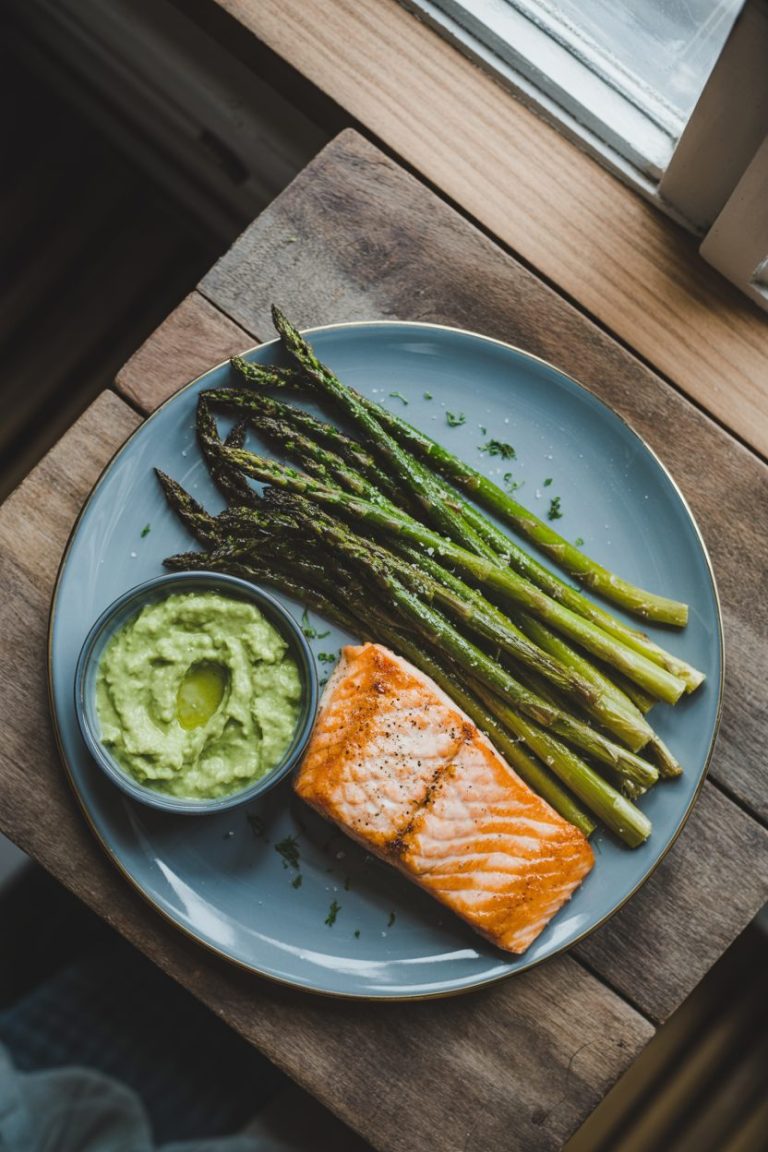
Just because you can eat cheese and bacon all day doesn’t mean you should. You still need fiber and nutrients from vegetables. Load up on leafy greens, broccoli, cauliflower, zucchini, asparagus.
According to registered dietitians at UC Davis Health, the restrictive nature of keto can lead to micronutrient deficiencies if you’re not careful about including varied, nutrient-dense foods. Don’t skip the vegetables just because you’re excited about eating more fat.
These filling and flavorful keto salads prove that vegetables can be the star of the show, not just a sad obligation on the side of your plate.
Tracking Progress Beyond the Scale
Look, the scale is one data point, but it’s not the whole story. In fact, it might be the least interesting part of your progress.
What to Actually Measure
Take measurements—waist, hips, thighs, arms. Sometimes you lose inches when the scale doesn’t budge. Take photos too, even if you hate it. The mirror lies, but photos don’t.
Track how you feel. Energy levels. Sleep quality. Mental clarity. Mood. These are the things that actually impact your daily life, not whether you lost exactly 2 pounds this week.
If you want to get nerdy about it, track ketones with a blood ketone meter. Urine strips are cheaper but less accurate, especially after you’ve been in ketosis for a while. FYI, optimal ketone levels for nutritional ketosis are typically 0.5-3.0 mmol/L.
Keeping a Food Journal
I know, it sounds tedious. But seriously, track your food for at least the first two weeks. Not to obsess over every calorie, but to see patterns. You might think you’re eating 20 grams of carbs when you’re actually hitting 50 because you forgot about the sauce or that handful of nuts.
Use an app like MyFitnessPal or Cronometer. It takes like five minutes a day once you get the hang of it. And honestly, the data is enlightening. You’ll spot hidden carbs, realize you’re not eating enough fat, or see that you’re crushing your protein goals without even trying.
Keto Macro Tracker Pro (Lifetime Access)
Stop guessing whether you’re actually in ketosis. This isn’t just another food diary—it’s a comprehensive keto optimization tool that calculates your personalized macros, tracks ketone levels, and predicts when you’ll enter or exit ketosis based on your meals.
- AI-powered macro calculator based on your body composition and goals
- Real-time ketosis prediction algorithm
- Barcode scanner with 2M+ food database (keto-focused)
- Weekly progress reports with actionable insights
- Integration with blood ketone meters and fitness trackers
- Custom alerts when you’re approaching carb limits
- Recipe builder with automatic macro calculations
Dealing with Cravings Like an Adult
Cravings will happen. That’s not a sign of weakness—it’s your brain throwing a tantrum because you changed the rules.
The trick is having strategies ready. Don’t just white-knuckle through it hoping willpower alone will save you. That’s a losing strategy.
Smart Substitutions
Craving something crunchy? Pork rinds, nuts, or cucumber slices with salt. Want something sweet? There are actually decent keto desserts now. Check out these keto desserts that don’t taste sugar-free. They won’t perfectly replicate regular desserts, but they scratch the itch.
Missing pasta? Try zucchini noodles, shirataki noodles, or hearts of palm pasta. These low-carb pasta alternatives give you that comforting texture without derailing your progress.
A spiralizer is worth the investment if you’re serious about making vegetable noodles. The handheld versions work fine, but if you’re going to use it regularly, get a decent countertop model. Your arms will thank you.
The 15-Minute Rule
When a craving hits hard, wait 15 minutes. Drink water. Do something else. Often, the craving passes. If it doesn’t, then address it with a keto-friendly option.
Sometimes cravings are actually your body asking for specific nutrients. Salt cravings might mean you need electrolytes. Sweet cravings might mean you’re not eating enough fat to stay satiated. Pay attention to what your body is actually asking for.
Supplements Worth Considering
You don’t need a cabinet full of supplements to do keto successfully, but a few can make the journey easier.
The Essential Three
Electrolytes: Sodium, potassium, magnesium. Non-negotiable, especially in the first few weeks. You can get these through food (salt, leafy greens, avocados) or supplements. A quality electrolyte powder that’s sugar-free is clutch for preventing the keto flu.
Magnesium: Most people are deficient anyway, and keto can make it worse. Magnesium glycinate before bed helps with sleep and muscle cramps. Skip magnesium oxide—it’s cheap but barely absorbed.
MCT Oil: Not essential, but it can help boost ketone production and give you quick energy. Start slow though, or you’ll learn about its digestive effects the hard way. Trust me on this.
The Nice-to-Haves
Omega-3s if you’re not eating fatty fish regularly. A good multivitamin to cover any nutritional gaps. Maybe some digestive enzymes if you’re struggling with all the fat.
But honestly? Focus on food first. Supplements supplement—they don’t replace actual nutrition from real food.
Premium MCT Oil Powder with Prebiotic Fiber
This isn’t your basic MCT oil that gives you digestive disasters. This premium powder formula includes prebiotic fiber to support gut health while delivering clean ketone fuel. Mix it into coffee, smoothies, or even just water—no oily residue, no stomach issues.
I’ve tried probably a dozen MCT products, and this one actually dissolves completely without that gross oil slick floating on top. Plus, the C8 and C10 fatty acid blend converts to ketones faster than standard coconut oil, giving you that energy boost within 30 minutes.
Why This One Stands Out:
- Pure C8 and C10 MCTs (most bioavailable forms)
- Added prebiotic acacia fiber for gut health
- Zero carbs, zero sugar, completely unflavored
- Mixes instantly without clumping or oil separation
- Third-party tested for purity and potency
- Sourced from sustainable coconuts (not palm oil)
Exercise During Your Challenge
Here’s something that trips people up: your exercise performance might tank initially. Like, you might feel weak and slow for the first couple weeks. That’s normal.
Adjusting Your Expectations
Your body is learning to fuel workouts differently. High-intensity activities rely heavily on glucose, so when you’ve depleted those stores, your performance suffers temporarily. Give it time.
By weeks 3-4, most people feel their performance return to normal or even improve, especially for endurance activities. Your mileage may vary, literally.
If you’re doing intense CrossFit-style workouts or heavy lifting, you might need to add a few more carbs strategically around your workouts. This is called targeted keto, and it’s totally valid. For quick energy before or after workouts, these keto smoothies and shakes provide the right balance.
Best Activities for Keto
Walking, steady-state cardio, weight training—all work great on keto. In fact, fasted morning walks become weirdly enjoyable when your body is fat-adapted. You have steady energy without needing to fuel up first.
Just stay hydrated and keep those electrolytes up. Grab a quality insulated water bottle that you’ll actually use. The ones with time markers are surprisingly motivating for hitting your hydration goals throughout the day.
Grass-Fed Whey Isolate with Collagen Peptides
Most protein powders are loaded with hidden carbs and artificial sweeteners that kick you out of ketosis. This one? Less than 1g carbs per scoop, sweetened with stevia, and includes collagen peptides for joint support during heavy training.
The vanilla flavor actually tastes like vanilla, not chemical vanilla-adjacent sadness. Mix it with unsweetened almond milk and a tablespoon of almond butter for a post-workout shake that keeps you in ketosis while supporting muscle recovery.
Perfect for Keto Athletes:
- 25g protein, 1g carbs, 2g fat per serving
- Grass-fed whey isolate (99% lactose-free)
- 5g collagen peptides for joint and skin health
- No artificial sweeteners, colors, or flavors
- Naturally sweetened with stevia and monk fruit
- Mixes smooth without that chalky texture
- Third-party tested for banned substances
What Happens After the 30 Days?
So you made it through the challenge. Congrats! Now what?
You’ve got options. Some people love how they feel and stick with strict keto indefinitely. Others transition to a more moderate low-carb approach. Some try cyclical keto, adding carbs strategically around workouts or on weekends.
Making the Decision
Ask yourself: How do I feel? Did I see the results I wanted? Is this sustainable for me long-term?
Be honest. If you spent the entire 30 days miserable and thinking about bread, maybe strict keto isn’t your thing. And that’s okay. You learned something valuable about your body and preferences.
But if you feel amazing, have more energy, lost weight, and found it surprisingly doable? You might have found your thing. Many people find that continuing with these easy low-carb meals and delicious low-carb dinners helps them maintain their results without feeling restricted.
Transitioning Wisely
If you decide to add carbs back in, do it gradually. Don’t go from 25 grams to 200 grams overnight. Your body will hate you, trust me. Add 5-10 grams at a time, focusing on nutrient-dense sources like sweet potatoes, fruits, and whole grains.
Watch how your body responds. Some people can handle 50-75 grams of carbs and maintain their results. Others need to stay stricter. You’re an experiment of one—pay attention to your data.
BHB Exogenous Ketone Supplement (Beta-Hydroxybutyrate)
Here’s the deal with exogenous ketones: they won’t magically put you in nutritional ketosis if you’re eating pizza, but they can give you a serious mental clarity and energy boost while your body adapts. Think of them as training wheels for your first few weeks.
I keep a canister of these on hand for mornings when I wake up feeling foggy, or before important meetings during week one or two of the challenge. Within 30-60 minutes, the brain fog lifts and you get that clean, focused energy without jitters. The raspberry lemonade flavor is actually drinkable, which is saying something for this category of supplements.
When to Use This:
- 12g pure BHB salts per serving (sodium, calcium, magnesium)
- Raises blood ketone levels within 30-60 minutes
- Reduces keto flu symptoms during adaptation
- Provides immediate mental clarity and focus
- Includes electrolytes to prevent cramping
- Zero sugar, zero carbs, zero artificial ingredients
- Ideal for fasting days or intense workout sessions
Real Talk: Is This Challenge Right for You?
Look, I’m not going to pretend keto is perfect for everyone. It’s not. Some people thrive on it. Others feel terrible.
Who Should Try This
If you’re dealing with metabolic issues like insulin resistance or type 2 diabetes, keto might be worth exploring under medical supervision. Research published in Signal Transduction and Targeted Therapy shows promising effects on glucose metabolism and insulin sensitivity for certain populations.
If you have a lot of weight to lose and other approaches haven’t worked, it might be worth a shot. If you want to experiment with your diet and learn what works for your body, go for it.
Who Should Maybe Skip It
If you have a history of disordered eating, the restrictive nature of keto might not be healthy for you mentally. If you’re pregnant or breastfeeding, definitely talk to your doctor first. If you have certain medical conditions like kidney disease or pancreatic issues, keto could be dangerous.
And honestly? If you hate the idea of giving up carbs, you probably won’t stick with it anyway. There’s no point torturing yourself with a diet you despise. Find something that works for you.
30-Day Keto Challenge Meal Planner (Printable + Digital)
This is the exact meal planning system that takes the guesswork out of your entire challenge. Every single day is mapped out with breakfast, lunch, dinner, and snacks—all calculated, all planned, all ready to go. It’s like having a keto coach in your kitchen.
- Complete 30-day meal plan with zero guesswork
- Daily macro targets automatically calculated for your stats
- Weekly shopping lists organized by store section (saves hours)
- Meal prep timeline: what to cook when for maximum efficiency
- Printable daily checklists to track compliance and symptoms
- Emergency backup meal options for when plans change
- Restaurant ordering guide for 20+ popular chains
- Editable digital version to customize for dietary restrictions
Frequently Asked Questions
Will I lose muscle on a ketogenic diet?
Not if you’re eating adequate protein and doing resistance training. In fact, keto can be muscle-sparing because elevated ketone levels signal your body to preserve protein. Aim for about 0.8-1 gram of protein per pound of lean body mass, lift weights, and you’ll be fine. The initial drop in muscle fullness is just glycogen depletion, not actual muscle loss.
Can I drink alcohol during the 30-day challenge?
Technically yes, but it’s not ideal. If you do drink, stick to dry wines, spirits without mixers, or light beer in moderation. Alcohol pauses ketone production while your body processes it, and your tolerance will likely be lower on keto. For a true 30-day challenge where you want to see what keto can really do, I’d suggest skipping it entirely.
What if I accidentally eat too many carbs one day?
Don’t panic and don’t turn it into a full cheat day. You might get kicked out of ketosis temporarily, but just get back on track with your next meal. It usually takes 24-48 hours to get back into ketosis. The worst thing you can do is use one mistake as an excuse to derail the entire challenge. Learn from it and move forward.
Do I need to count calories on keto?
For the first 30 days, I’d focus more on keeping carbs low and hitting your protein goals. Many people naturally eat fewer calories on keto because fat and protein are so satiating. However, if you’re not seeing results after 2-3 weeks, you might need to track calories—it’s still possible to overeat on keto. Nuts, cheese, and fat bombs can add up quickly.
Is keto safe long-term?
The research is mixed and ongoing. Some studies suggest that benefits tend to plateau after 6-12 months, while others indicate potential concerns with long-term adherence. The 30-day challenge is about discovering how keto affects you personally. After that, many people adopt a more moderate low-carb approach rather than strict keto indefinitely. Talk to your doctor, especially if you have existing health conditions.
The Bottom Line
A 30-day keto challenge isn’t a magic solution, but it is a solid way to reset your relationship with food, learn what your body responds to, and potentially see some impressive results. It requires commitment, planning, and a willingness to be uncomfortable for a bit while your body adapts.
You’ll learn that you’re capable of more discipline than you thought. You’ll discover that you don’t actually need carbs at every meal. You might find energy you didn’t know you were missing and mental clarity that makes everything easier.
Or you might discover that keto isn’t your thing, and that’s valuable information too. Either way, you’ll finish the challenge knowing more about your body and what works for you than when you started.
The free download I keep mentioning? It’s a comprehensive meal plan and shopping list that takes the guesswork out of your first 30 days. You get breakfast, lunch, dinner, and snack ideas for every single day, complete with macros calculated. It’s basically a paint-by-numbers approach to keto, which is exactly what you need when you’re starting out and everything feels overwhelming.
So yeah, that’s the deal. Thirty days. One metabolic reset. Whether you continue after that is up to you, but at least you’ll know. And in a world where everyone’s trying to tell you what diet is “best,” knowing what actually works for your body is pretty damn valuable.
If you’re still reading this, you’re probably ready to give it a shot. Get your meal plan together, stock your kitchen, set your start date, and commit. Not forever—just for 30 days. You can do anything for 30 days.