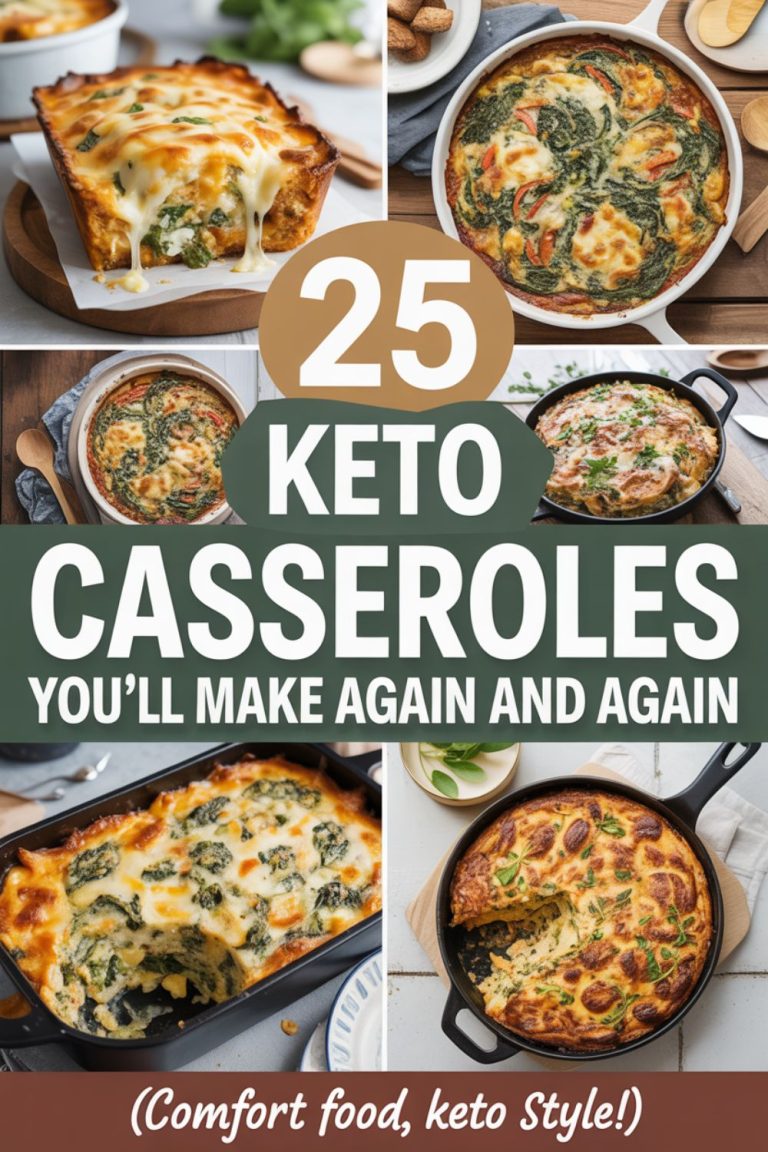
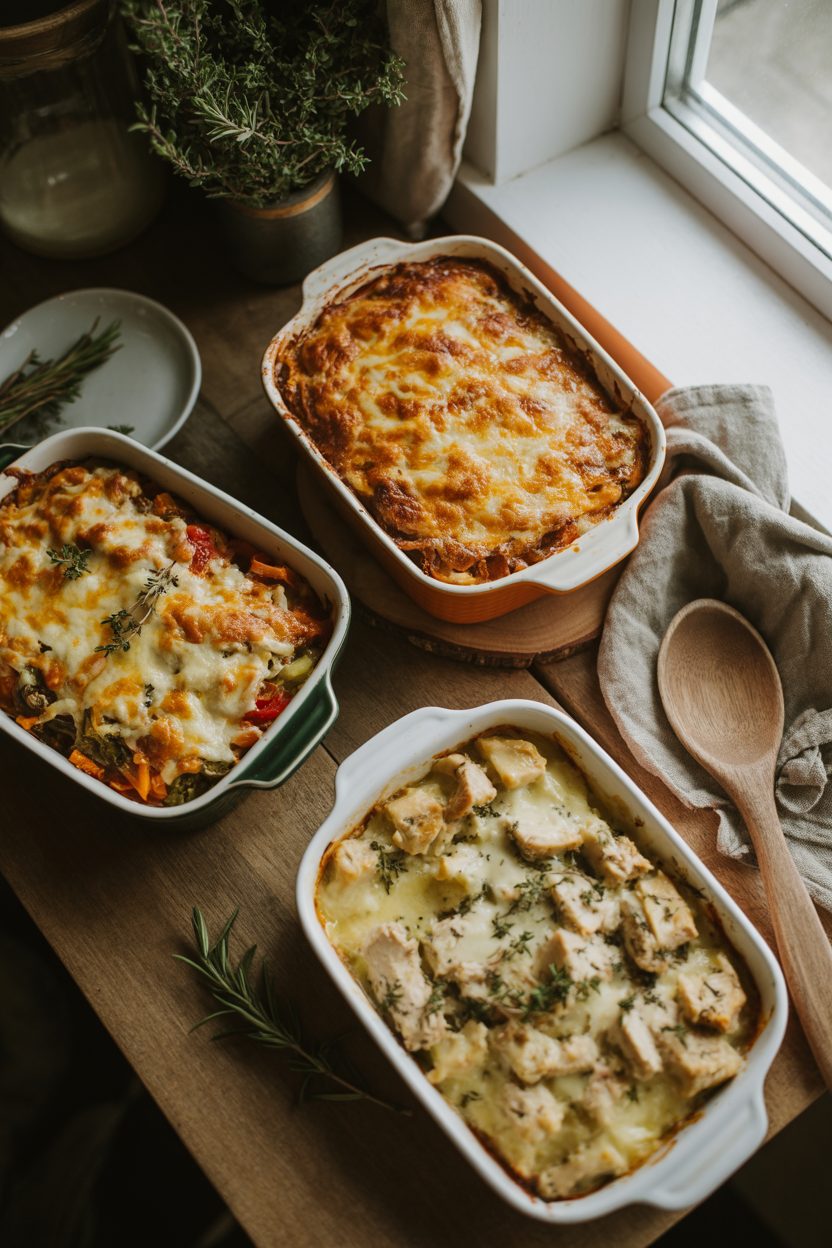
21 Keto Casseroles for Freezer Meal Prep
Let’s be real—Sunday night rolls around, you’ve got maybe two hours before the week hits you like a freight train, and you’re standing there thinking, “How am I supposed to eat keto when I can barely remember to charge my phone?” I’ve been there. We’ve all been there.
That’s where freezer-friendly keto casseroles come in. They’re basically the adulting equivalent of a cheat code. You spend a few hours on the weekend, and boom—you’ve got ready-to-heat meals that won’t kick you out of ketosis or make you resort to sad desk salads.
Here’s the thing about casseroles: they’re forgiving. You can swap ingredients, throw in whatever’s dying in your crisper drawer, and still end up with something that tastes like you actually had your life together. Plus, they freeze beautifully, reheat like champions, and the leftovers somehow taste better than the original meal.

Why Freezer Meal Prep Actually Works for Keto
I used to think meal prep was this mystical thing that only people with color-coded calendars and matching Tupperware could pull off. Turns out, I was overthinking it. The beauty of keto casseroles is that they’re already designed to be filling and satisfying, which means you’re not constantly battling hunger pangs at 3 PM.
The freezer is your friend here. Unlike some diets that leave you eating the same boring chicken breast for five days straight, casseroles actually improve with time. The flavors meld together, the cheese gets extra melty when you reheat it, and you’re not stuck eating identical meals every single day.
According to research on ketogenic diets, maintaining consistent macros is crucial for staying in ketosis. Having pre-portioned meals eliminates the guesswork and the temptation to grab whatever’s convenient (read: carb-loaded).
Cool your casseroles completely before freezing. I learned this the hard way when I stuck a warm dish in the freezer and ended up with freezer burn that could rival permafrost. Let them sit at room temp for about 30 minutes, then transfer to the fridge for an hour before freezing.
The Complete Keto Freezer Meals Cookbook
If you’re serious about keto meal prep, this digital cookbook is basically the cheat sheet I wish I had when I started. It’s got 150+ freezer-friendly keto recipes with full macro breakdowns, storage instructions, and reheating guides. No guesswork, no carb surprises—just solid recipes that actually work.
- 150+ tested keto casserole and freezer meal recipes
- Complete nutritional info and macro calculations for each recipe
- Detailed freezing and reheating instructions
- Shopping lists organized by recipe to save time and money
- Meal prep timeline guides for efficient batch cooking
The Best Containers for Freezing Keto Casseroles
Listen, I’ve tried every container under the sun. Those flimsy disposable aluminum pans? They leak. Random Tupperware from 2009? The lids never fit after one trip through the dishwasher. You need containers that can actually handle the freezer-to-oven journey without falling apart.
I’m currently obsessed with these glass meal prep containers (#) that go straight from freezer to oven. No transferring, no mess, and you can actually see what’s inside without playing freezer roulette. They’re pricey upfront, but I haven’t had to replace them in two years.
If you’re going the disposable route, heavy-duty aluminum pans with lids (#) are your best bet. Get the ones that are actually thick enough to not buckle when you pick them up. Trust me on this.
For single-serve portions, silicone muffin cups (#) work surprisingly well. You can pop out individual portions without thawing the whole thing. Game changer for those nights when only one person wants dinner.
What About Freezer Bags?
Freezer bags work great for casseroles with less liquid. I use these gallon-sized freezer bags (#) for things like taco casserole or shepherd’s pie. Lay them flat in the freezer, and you can stack them like edible Tetris pieces. Just make sure to label them unless you enjoy mystery meals.
Perfect Keto MCT Oil Powder – Boost Ketosis & Energy
Real talk: regular MCT oil is great, but it can turn your stomach into a disaster zone if you’re not careful. This powdered version is way gentler and mixes into everything without making your coffee look like an oil slick. I add it to my morning coffee and occasionally sprinkle it into casserole sauces for an extra fat boost without changing the flavor.
- Pure C8 MCT from non-GMO coconuts for rapid ketone production
- Zero net carbs, no fillers or artificial ingredients
- Mixes instantly without clumping – perfect for coffee, smoothies, or recipes
- Easier on digestion than liquid MCT oil (no bathroom emergencies)
- Unflavored version doesn’t alter taste of your casseroles or meals
It helps me hit my fat macros on days when I’m not super hungry but need the energy. Plus, the mental clarity boost is real—especially during that 2 PM slump when I’m tempted to face-plant into my keyboard.
21 Keto Casseroles That Actually Freeze Well
Not all casseroles are created equal when it comes to freezing. Some turn into watery messes, others get weirdly rubbery, and a few just taste like sadness after thawing. I’ve tested way too many recipes to figure out which ones actually work, so you don’t have to.
1. Buffalo Chicken Cauliflower Casserole
This one’s a crowd-pleaser. Shredded chicken, riced cauliflower, cream cheese, and enough buffalo sauce to make your taste buds wake up. The cauliflower doesn’t get mushy when frozen, which is basically a miracle. Top it with shredded cheddar before baking, and you’ve got dinner that tastes like you ordered takeout.
2. Cheesy Taco Casserole
Ground beef, salsa, cream cheese, and approximately a pound of shredded Mexican cheese. It’s basically nachos in casserole form, minus the chips. I use this cast iron skillet (#) to make it because the crispy cheese edges are non-negotiable.
3. Spinach and Artichoke Chicken Bake
You know that spinach artichoke dip that disappears at every party? This is that, but with chicken and way more protein. I add extra garlic because I believe in living authentically. Freezes like a dream and reheats without separating.
Double every recipe. Seriously. If you’re already doing the work, make two casseroles instead of one. Freeze the second one for those weeks when meal prep doesn’t happen because life got weird.
4. Pizza Casserole
All the pizza toppings you love without the carb crash. I use Italian sausage, pepperoni, marinara (check the sugar content), mozzarella, and sometimes mushrooms if I’m feeling vegetable-y. It’s messy, it’s cheesy, and it makes your kitchen smell like a pizzeria.
5. Broccoli Cheese Casserole
This is comfort food in its purest form. Fresh broccoli, heavy cream, sharp cheddar, and a crispy almond flour topping. My kids actually eat vegetables when they’re covered in cheese, so this one’s in heavy rotation.
6. Zucchini Lasagna
Thin-sliced zucchini replaces noodles, and honestly? I don’t miss the pasta. The trick is to salt the zucchini slices and let them drain for 20 minutes before assembly. Otherwise, you end up with zucchini soup, which is nobody’s goal.
If you’re loving these casserole ideas, you’ll definitely want to check out more easy options. For quick weeknight solutions, these lazy keto meals for busy nights are total lifesavers. And if you’re meal prepping for the whole week, these keto meal prep ideas will keep you organized and on track.
7. Crack Chicken Casserole
It’s called crack chicken for a reason. Chicken, cream cheese, bacon, ranch seasoning, and cheddar cheese. This is the casserole I make when I need to win over skeptics. Nobody has ever complained about this one.
8. Cauliflower Mac and Cheese
Real talk: this won’t taste exactly like the boxed mac and cheese from your childhood. But it will satisfy that creamy, cheesy craving without the carb hangover. I use a mix of sharp cheddar and Gruyere because I’m fancy like that.
9. Sausage and Cabbage Casserole
This one sneaks up on you. It doesn’t sound exciting, but cabbage becomes sweet and tender when baked, and the sausage adds enough flavor to make it interesting. Plus, cabbage is dirt cheap, so your wallet will thank you.
10. Green Bean Casserole (Keto Style)
The holiday classic, minus the canned soup and fried onions. I make a from-scratch mushroom cream sauce and top it with crispy almond flour “onions.” It’s more work than opening a can, but the difference is worth it.
11. Chicken Cordon Bleu Casserole
All the fancy of chicken cordon bleu without having to pound out chicken breasts or worry about the ham falling out. Diced chicken, diced ham, Swiss cheese, and a creamy sauce. It’s elegant enough for company but easy enough for a Tuesday.
12. Eggplant Parmesan Casserole
Eggplant doesn’t get enough love in the keto world. Slice it thin, salt it to remove bitterness, then layer it with marinara and mozzarella. It’s basically vegetarian comfort food that happens to be low-carb.
13. Philly Cheesesteak Casserole
Thinly sliced steak, peppers, onions, and provolone cheese. I use this mandoline slicer (#) to get the peppers super thin because I’m impatient and hate chopping. The whole thing comes together in about 30 minutes.
14. Bacon Cheeseburger Casserole
Exactly what it sounds like. Ground beef, bacon, pickles, cheese, and a sugar-free special sauce. My husband requests this at least twice a month. I top it with shredded lettuce and diced tomatoes after reheating for that burger experience.
15. Tuscan Chicken Casserole
Sun-dried tomatoes, spinach, garlic, cream, and chicken thighs. This one tastes fancy but takes minimal effort. I throw in some Italian seasoning and call it a day. The sun-dried tomatoes add a sweet-tart punch that makes the whole dish sing.
Speaking of chicken dishes, if you’re a fan of poultry, you’ll want to explore these keto chicken recipes for dinner tonight. They’re perfect for when you need something quick but still want to stay on track. Also, these low-carb chicken recipes never disappoint.
16. Mexican Cauliflower Rice Casserole
Cauliflower rice, black soybeans (they’re shockingly low-carb), salsa, cheese, and whatever protein you have hanging around. It’s like a burrito bowl that you can eat with a fork while sitting on the couch. Zero judgment.
17. Mushroom Swiss Burger Casserole
Ground beef, mushrooms, Swiss cheese, and caramelized onions. The onions take a while to caramelize properly, but they add so much depth of flavor that it’s worth the wait. I use this heavy-bottom pot (#) for even heat distribution.
18. Chicken Enchilada Casserole
Shredded chicken, green chile enchilada sauce, sour cream, and cheese. Layer it like lasagna and bake until bubbly. I top mine with jalapeños because I like to live dangerously. This one’s great for meal prep because the flavors get better after a day or two.
19. Reuben Casserole
Corned beef, sauerkraut, Swiss cheese, and Thousand Island dressing (check for sugar). It’s weird, it’s tangy, and it works. I serve it with pickles on the side because I’m committed to the deli experience.
20. Chicken Bacon Ranch Casserole
The holy trinity of flavors that makes everything better. Chicken, bacon, ranch seasoning, and cheese. I throw in some broccoli to pretend it’s healthy. This is the casserole that converts ranch haters into ranch believers.
21. Italian Sausage and Peppers Casserole
Sliced Italian sausage, bell peppers, onions, marinara, and mozzarella. It’s basically a deconstructed sub sandwich. I use hot Italian sausage because mild sausage is boring, but you do you.
How to Properly Freeze Your Casseroles
This is where people mess up. You can’t just shove a hot casserole in the freezer and hope for the best. Well, you can, but then you’ll be disappointed when you thaw it out and it’s a watery, freezer-burned mess.
First, let everything cool completely. I usually make my casseroles in the evening, let them cool on the counter for about 30 minutes, then stick them in the fridge overnight. The next morning, they’re cold enough to wrap and freeze properly.
The USDA recommends keeping your freezer at 0°F or below for optimal food safety. Get a freezer thermometer if you don’t have one. They’re like five bucks and can save you from accidentally eating questionable food.
Wrap your casseroles tightly. I do a double layer—plastic wrap (#) first, then heavy-duty aluminum foil (#). It’s overkill, but it prevents freezer burn like nobody’s business. Label everything with the date and contents. Future you will appreciate not having to guess what that frozen blob used to be.
Freeze casseroles flat until solid, then you can stack them vertically to save space. It’s like Tetris, but with dinner. I can fit six casseroles in my freezer this way instead of three.
Reheating Without Turning Everything Into Mush
There’s an art to reheating frozen casseroles. The microwave will work in a pinch, but it tends to make everything weirdly rubbery. Oven reheating takes longer but produces way better results.
For oven reheating, I thaw the casserole in the fridge overnight. This usually takes about 24 hours for a full-sized dish. Then bake at 350°F covered with foil for about 30 minutes, remove the foil, and bake another 10-15 minutes to crisp up the top.
If you’re in a hurry, you can reheat from frozen, but add about 50% more time. So a casserole that would normally take 45 minutes will take about an hour and 15 minutes. Keep it covered for most of the cooking time to prevent the top from burning before the center heats through.
I invested in this instant-read thermometer (#) and it’s been a game-changer. Casseroles are done when they hit 165°F in the center. No more cutting into things to check if they’re hot enough.
Vital Proteins Collagen Peptides – Unflavored Keto Protein
I was skeptical about collagen until I realized it’s basically invisible protein you can add to anything. I stir a scoop into my casserole sauces, soups, and even my coffee. It dissolves completely, doesn’t change the taste, and gives you an extra 18g of protein per serving. My hair and nails also look way better, which is a nice bonus.
- 20g of collagen protein per serving with zero carbs
- Supports skin elasticity, joint health, and muscle recovery
- Dissolves completely in hot or cold liquids – no clumps or grit
- Grass-fed, pasture-raised bovine collagen (clean source)
- Unflavored – won’t mess with your casserole flavors
- Helps you hit protein macros without extra meal prep
Add 2-3 scoops to your casserole base before baking. It thickens sauces slightly (in a good way) and boosts the protein content without anyone noticing. I’ve been doing this for months and my family has no idea they’re getting extra collagen.
Common Freezer Meal Prep Mistakes to Avoid
I’ve made every mistake possible, so learn from my failures. Don’t freeze casseroles with raw vegetables that have high water content. Looking at you, zucchini and tomatoes. They’ll turn into soggy messes when thawed.
Don’t overpack your freezer. Air circulation is important for maintaining proper temperature. If your freezer is so full that air can’t move around, some items might not stay frozen properly.
Don’t forget to label things. I know you think you’ll remember what’s in that foil-wrapped rectangle, but you won’t. Three months from now, you’ll be playing “guess the casserole” and probably losing.
According to food safety guidelines, cooked casseroles can be safely stored in the freezer for 2-3 months. After that, they’re still safe to eat, but quality starts to decline.
Looking for more meal prep inspiration? These low-carb meal prep recipes for busy weeks will keep your rotation fresh. And if you want to expand beyond casseroles, check out these easy low-carb meals for every craving to round out your weekly menu.
Making Casseroles Work for Your Macros
The beautiful thing about casseroles is that they’re incredibly flexible. Need more fat? Add extra cheese or a dollop of sour cream on top. Need more protein? Throw in extra meat or some hemp hearts.
I track my macros loosely—emphasis on loosely—and casseroles make it easier because you can portion them out ahead of time. I use this food scale (#) to weigh portions when I’m being extra careful about my intake.
Most of these casseroles clock in around 300-400 calories per serving with about 25-30g of fat, 20-25g of protein, and 5-8g of net carbs. Your numbers will vary based on ingredients, but that’s a decent ballpark.
Studies on ketogenic diets, like this umbrella review published in BMC Medicine, show that consistent macronutrient ratios are important for maintaining ketosis and achieving metabolic benefits. Pre-portioned meals help maintain that consistency without constant calculation.
KetoLog Pro: Digital Macro Tracker & Meal Planner
Honestly, I resisted tracking for way too long because I thought it would be tedious. Then I found this app and realized tracking macros doesn’t have to feel like homework. It’s specifically designed for keto, so it actually understands net carbs and doesn’t freak out about your fat intake like generic calorie counters do.
- Pre-loaded keto food database with accurate net carb calculations
- Custom macro goal setting based on your specific keto approach
- Barcode scanner for quick logging of packaged foods
- Meal planning tools with recipe import functionality
- Progress tracking with ketone level logging and weight charts
- Weekly meal prep planner with grocery list generator
Ingredient Swaps That Actually Work
Sometimes you don’t have the exact ingredients a recipe calls for, and that’s fine. Casseroles are forgiving. Heavy cream and cream cheese are pretty much interchangeable in most recipes—cream cheese makes things thicker, heavy cream makes them saucier.
Ground beef, turkey, and pork are all fair game. Ground turkey is leaner, so you might want to add extra fat if you’re using it. Chicken thighs and breasts can swap out too, though thighs are more forgiving if you accidentally overcook them.
Cauliflower and broccoli can usually sub for each other. Zucchini and eggplant work similarly. Bell peppers and poblano peppers are basically the same thing with different heat levels.
For cheese, sharp cheddar, Monterey Jack, and Colby all melt well and taste similar enough. Mozzarella is mild and stretchy. Gruyere and Swiss are fancier options when you’re feeling bougie. Just avoid pre-shredded cheese when possible—the anti-caking agents can make sauces grainy.
Dairy-Free and Dairy-Alternative Options
Not everyone can do dairy, and that’s cool. Coconut cream works as a heavy cream substitute in most recipes. It adds a slight coconut flavor, but it’s usually not noticeable once everything’s mixed together.
Nutritional yeast gives you that cheesy, umami flavor without actual cheese. I use about 2-3 tablespoons per cup of sauce. Cashew cream is another option—soak raw cashews, blend them with water, and you’ve got a creamy base.
For cheese specifically, the dairy-free options have gotten way better in the past few years. This almond-based cheese (#) actually melts properly, which is a minor miracle. Just check the ingredients because some brands sneak in a ton of starches.
LMNT Electrolyte Drink Mix – Zero Sugar, Keto-Friendly Hydration
Here’s something nobody tells you about keto: you need way more electrolytes than you think. Especially when you’re doing meal prep and maybe not eating as much variety. I used to get headaches and feel sluggish until I started taking this seriously. LMNT has the right ratios of sodium, potassium, and magnesium without any sugar or weird additives.
- 1000mg sodium, 200mg potassium, 60mg magnesium per packet
- Zero sugar, zero carbs, zero artificial ingredients
- Helps prevent keto flu symptoms and muscle cramps
- Multiple flavors (citrus salt, raspberry, watermelon) – not too sweet
- Portable packets perfect for meal prep days when you’re cooking all day
- Developed by former research biochemist Robb Wolf
I mix one packet in a big water bottle on meal prep Sundays. Standing in the kitchen for hours cooking casseroles makes you sweat more than you realize, and this keeps the headaches and fatigue at bay. It’s the difference between feeling energized and wanting to order pizza halfway through.
Budget-Friendly Tips for Keto Casseroles
Let’s talk money because keto can get expensive if you’re not careful. Buy meat in bulk when it’s on sale and freeze it. I stock up on ground beef when it’s under $4 a pound and chicken thighs when they hit $1.99 per pound.
Frozen vegetables are your friend. They’re cheaper than fresh, already prepped, and just as nutritious. I keep bags of riced cauliflower, broccoli, and green beans in my freezer at all times.
Cheese is expensive, but you can buy blocks instead of pre-shredded and save a few bucks. I use this box grater (#) because grating cheese is weirdly therapeutic and I need to justify the purchase somehow.
Eggs are the ultimate budget protein. Add hard-boiled eggs to casseroles, top them with a fried egg before serving, or use them to make the dish more filling. A dozen eggs is like three bucks and goes a long way.
Keto Freezer Meal Mastery: Complete Video Course
I’m not usually one to recommend courses, but this one actually delivers. It’s a comprehensive video program that walks you through everything from kitchen setup to batch cooking strategies specifically for keto freezer meals. The instructor is a registered dietitian who’s been keto for years, so you’re getting legit advice, not just someone’s opinion.
- 20+ hours of step-by-step video tutorials on keto meal prep
- Master freezing techniques to prevent texture and flavor loss
- Bulk shopping strategies to cut your grocery bill by 30-40%
- Kitchen organization systems for efficient batch cooking
- Monthly meal prep plans with complete shopping lists
- Private community access for recipe swaps and troubleshooting
- Downloadable meal prep checklists and freezer inventory templates
Want more budget-friendly ideas? These low-carb dinners that actually taste delicious won’t break the bank. And for packed lunches that save money, these low-carb lunch ideas for work are wallet-friendly winners.
How to Keep Casseroles Interesting
Eating the same thing every week gets old fast. I rotate through about six different casseroles and make them in different variations. Buffalo chicken one week, regular chicken ranch the next.
Change up your toppings. A casserole that’s boring on its own becomes exciting when you top it with sour cream, hot sauce, fresh herbs, or crispy bacon bits. I keep a container of crispy bacon in the fridge specifically for this purpose.
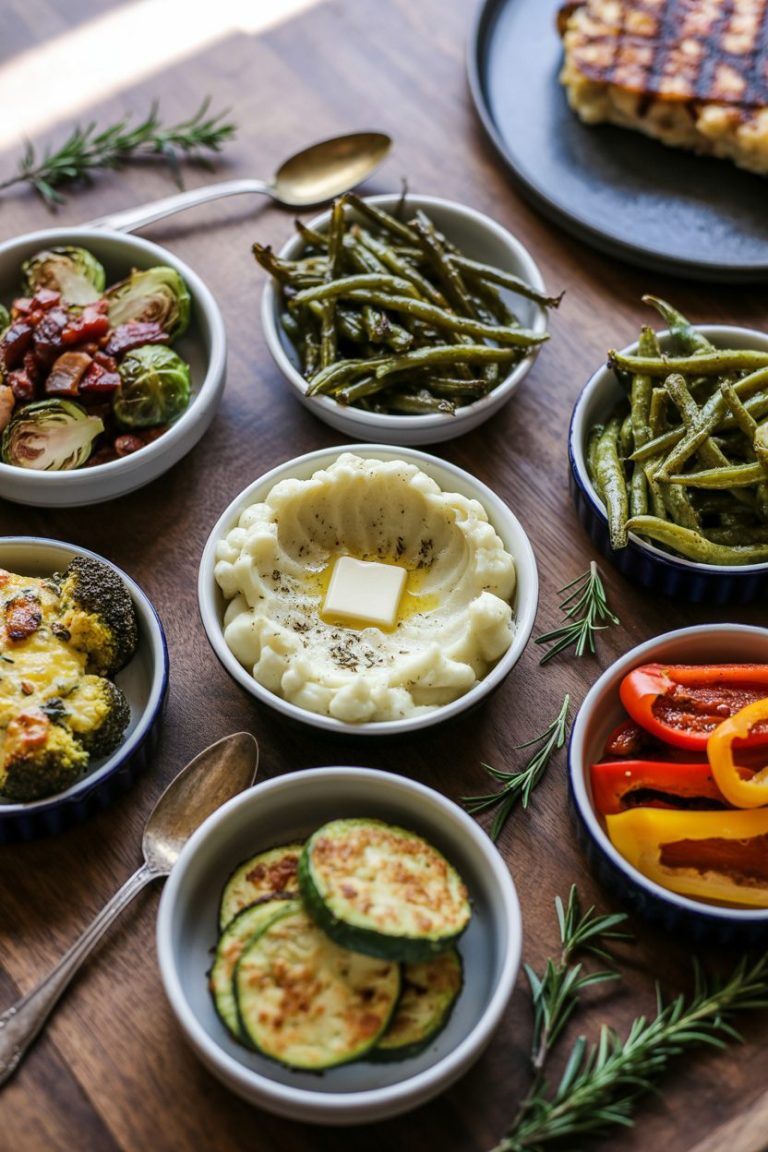
Serve casseroles with different sides. One night it’s with a simple salad, another night it’s with roasted vegetables, and sometimes it’s just by itself because I’m tired and that’s okay.
For even more variety, these easy keto dinner recipes and keto one-pan meals can round out your weekly rotation without adding too much extra work.
Troubleshooting Common Casserole Problems
Watery casseroles are usually from vegetables releasing too much liquid. Salt vegetables like zucchini and eggplant ahead of time and let them drain. For frozen vegetables, thaw them first and squeeze out excess water.
Dry casseroles mean you need more fat or liquid. Add extra cream, cheese, or butter next time. Or just top the finished product with sour cream and call it intentional.
If your casserole is browning too fast on top but isn’t cooked through, cover it with foil and lower the temperature by 25 degrees. Better to cook slower and get it right than to serve burnt-on-top-raw-in-the-middle disaster.
Mushy texture after freezing? You probably froze vegetables with too much water content. Stick to heartier vegetables like broccoli, cauliflower, and green beans for freezer casseroles.
Frequently Asked Questions
How long do keto casseroles last in the freezer?
Most casseroles maintain good quality for 2-3 months in the freezer when properly wrapped. They’re still safe to eat after that, but the texture and flavor start to decline. I try to rotate through mine within two months for the best eating experience.
Can I freeze casseroles in glass dishes?
Yes, but make sure they’re freezer-safe glass. Not all glass can handle temperature extremes. Let the casserole cool completely before freezing, and when reheating, let it come to room temperature first or go straight from freezer to oven without temperature shock.
Do I need to thaw frozen casseroles before reheating?
Thawing in the fridge overnight gives the best results—more even heating and better texture. But if you’re short on time, you can bake from frozen. Just add 50% more cooking time and keep it covered for most of the baking to prevent burning.
What vegetables freeze best in casseroles?
Broccoli, cauliflower, green beans, and bell peppers all freeze well. Avoid high-water vegetables like zucchini, tomatoes, and mushrooms unless they’re cooked down first. Leafy greens like spinach work fine if they’re completely wilted before assembly.
How do I prevent freezer burn on my casseroles?
Double wrap everything. I use plastic wrap first, then aluminum foil, making sure there are no gaps for air to sneak in. Remove as much air as possible before sealing. Freezer bags work too—just squeeze out the air before zipping them closed.
Final Thoughts
Freezer meal prep doesn’t have to be complicated or time-consuming. Pick a Sunday afternoon, make a couple of casseroles, and set yourself up for success. You don’t need to be a meal prep warrior with matching containers and a color-coded system.
Start with one or two casseroles and see how it goes. Maybe you’ll love it and start batch-cooking like crazy. Maybe you’ll decide it’s not for you and that’s fine too. The goal is to make keto easier to stick with, not to add stress to your life.
These casseroles have saved me countless times when I was too tired to cook, too broke for takeout, or too hungry to make good decisions. They’re not perfect, but they’re practical, and sometimes that’s exactly what you need.
Now go make some casseroles. Your future self will thank you.